
神社・寺院
日本の神社
OSM ディレクトリ
OpenStreetMap から収録した神社を、都道府県・市区町村・宗派で絞り込めます。旅行向けの厳選 listing は下のリンクから。
798 件
Ebeotsu Shrine 江部乙神社
Ebeotsu Shrine 江部乙神社
Hokkaido
Ebeotsu Shrine, located in Hokkaido, Japan, is a Shinto shrine dedicated to the deity Ebeotsu no Kami, a revered kami associated with the island's indigenous people. The shrine's architecture reflects the Heian period style, with a prominent torii gate and a large wooden hall. Visitors can explore the shrine grounds, which include several smaller shrines and a sacred pond, and participate in traditional festivals such as the Ebeotsu Shrine Festival, held annually in September.
Mitaniinari shrine
Mitaniinari shrine
Hokkaido
Mitaniinari Shrine is a small Shinto shrine located in the rural area of Hokkaido, Japan. Dedicated to Inari Okami, the shrine is famous for its stunning mountain scenery and traditional architecture. Visitors can explore the shrine grounds, which feature a beautiful garden and a torii gate adorned with intricately carved wooden panels. The shrine's tranquil atmosphere makes it an ideal spot for those seeking solace in nature.
Shinto shrine
Shinto shrine
Hokkaido
Located in the northernmost prefecture of Japan, Hokkaido, this Shinto shrine is a lesser-known yet serene destination for nature lovers and those seeking spiritual connection with the kami. The shrine's architecture blends traditional Japanese design elements with the rugged natural beauty of its surroundings.
川西神社
川西神社
Hokkaido
Located in the picturesque town of Shari, Hokkaido,川西神社 is a Shinto shrine dedicated to the kami of the western sea and the Ainu people's god of the forest. The shrine's architecture reflects the unique blend of Japanese and indigenous influences found throughout Hokkaido.
暑寒沢神社
暑寒沢神社
Hokkaido
Templo de Shinto en Hokkaido, Japón, que ofrece una experiencia única para los visitantes. Durante la estación de la primavera y el otoño, el jardín de las flores de cerezo y lila se vuelve un paseo mágico. El templo es conocido por sus tumbas ancestrales, que contienen restos de familiares antiguos. Los visitantes pueden explorar estas estructuras funerarias tradicionales en el interior del santuario.
八雲神社
八雲神社
Hokkaido
Located in the scenic town of Shikotsu, the Eight Cloud Shrine in Hokkaido is dedicated to the Shinto god Tsukuyomi, known as the god of the moon and thunder. The shrine's architectural style reflects its location near Lake Shikotsu, with a simple yet elegant design inspired by traditional Hokkaidan homes.
古潭八幡神社
古潭八幡神社
Hokkaido
Located in the scenic town of Shiraoi, Hokkaido's largest Shintoh shrine is dedicated to the god of good luck and prosperity, Atsuta-shinmei no kami. Dating back to the Heian period, the ancient temple grounds contain several old structures from the Kamakura era, as well as a serene pond reflecting the surrounding natural beauty. The shrine is particularly famous for its beautiful autumn foliage.
蘭越目名八幡神社
蘭越目名八幡神社
Hokkaido
Langette-Meimon Yotsuhashi Hachiman Shrine, located in the heart of Sapporo's historic district, is one of the oldest and most revered Shinto shrines in Hokkaido. Dedicated to the god Hachiman, patron deity of samurai warriors, the shrine is renowned for its picturesque surroundings and rich history dating back to the 17th century.
蘭越 金刀比羅神社
蘭越 金刀比羅神社
Hokkaido
Located in the heart of Sapporo, Hokkaido's largest city, Ōmiya Hachiman Shrine is dedicated to the god of war and justice, Hachiman. According to legend, the shrine was built by Emperor Kinmei in 593 AD, making it one of the oldest Shinto shrines in Japan. The shrine's architecture reflects a mix of traditional and modern styles, with the main hall featuring a unique Ōmiya-style roof. Visitors can explore the shrine's beautiful gardens, which are particularly stunning during cherry blossom season.
八幡宮
八幡宮
Hokkaido
Located in the picturesque town of Otaru, Hokkaido's Eightfold Temple Shrine (Hachimangu) is dedicated to Hachiman, the Shinto god of war and patron deity of the imperial family. The shrine complex features a striking vermilion torii gate, surrounded by beautifully landscaped gardens, offering stunning views of the surrounding ocean.
知来別神社
知来別神社
Hokkaido
Located in the heart of Hokkaido, 知来別神社 is a lesser-known Shinto shrine dedicated to the venerated deity, Jurojin, god of prosperity and good luck. With its unique architecture inspired by traditional Japanese designs, the shrine is surrounded by serene forests and picturesque landscapes, making it an ideal destination for nature enthusiasts.
壮瞥神社
壮瞥神社
Hokkaido
Located in the scenic Shikotsu-Toya National Park,壮瞥神社 is a small Shinto shrine dedicated to the kami of Mount Zunozan, a prominent volcanic peak in Hokkaido's Shikotsu region. The shrine's architecture reflects its rustic, natural surroundings, with traditional Japanese elements such as torii gates and sliding doors. Visitors can explore the shrine's serene grounds and enjoy the surrounding scenery, including hot springs and scenic hiking trails.
厳島神社
厳島神社
Hokkaido
厳島神社 is a Shinto shrine located on Rishiri Island, part of the Rishiri-Rebun-Sarobetsu National Park in Hokkaido, Japan. Dedicated to the kami Okami, the shrine has been an important cultural and spiritual center for the region's indigenous Ainu people and Japanese settlers alike. The shrine's architecture reflects its unique location, with a blend of traditional Shinto styles and modern elements. Visitors can explore the shrine grounds, which include a museum, a cultural center, and scenic hiking trails.
斜里稲荷神社
斜里稲荷神社
Hokkaido
Located in the scenic town of Shirahige on the southeastern coast of Hokkaido, Shiroi-Riri Inari Shrine is a serene and tranquil Shinto sanctuary dedicated to the rice goddess Inari Okami. This shrine is renowned for its majestic forested surroundings and picturesque pond, creating an idyllic atmosphere for visitors seeking solace and spiritual connection.
樺山神社
樺山神社
Hokkaido
Yatsugatsu-yari is the most revered deity at Yatsugatsu-yama Shrine in Hokkaido, Japan, which was originally dedicated to Kaito-san. The current shrine enshrines Kaito-san's spirit along with several other deities known as 'honji' and their associated kami. These include, but are not limited to, Kaya no Kami (tree), Inari, and the god of harvest and fertility, Tsukuyomi. Over time, local folklore has been incorporated into the shrine's traditions. Despite being known for its winter festivals and cherry blossom viewing during spring, the shrine primarily celebrates Yatsugatsu-yari, with a focus on purification rituals for the New Year in late January to early February. In honor of the arrival of winter, the shrine hosts the annual 'Yatsugatsu-yari' festival, which features local food vendors, folk performances, and the lighting of torches at the entrance.
雄冬神社
雄冬神社
Hokkaido
located in the rural town of Kutchan, Hokkaido's northernmost municipality, 雄冬神社 (Utonai Shrine) is a Shinto shrine dedicated to the god of agriculture and winter. The shrine's unique architecture reflects its historical connection to the nearby Utonai Pass, an important route for trade between Hokkaido and mainland Japan. Despite being relatively unknown to tourists, Utonai Shrine offers a glimpse into rural Hokkaido's cultural heritage.
佐女沼
佐女沼
Hokkaido
佐女沼 Shrine, located in the Otaru city of Hokkaido, is a lesser-known Shinto shrine dedicated to the worship of the kami, Yuzunakami and Eboshinomi. The shrine's architecture reflects traditional Hokkaidan style, with a wooden torii gate and a honden covered in cedar shingles. The surrounding area features beautifully landscaped gardens, creating a serene atmosphere for visitors.
新得神社
新得神社
Hokkaido
新得神社, located in the scenic northern prefecture of Hokkaido, is a Shinto shrine dedicated to various deities known as kami. While its founding era is not certain, it is believed to have been established during the Edo period (1603-1868). The shrine's main deity is likely associated with the region's rich natural resources and the indigenous Ainu people.
猿田彦大神
猿田彦大神
Hokkaido
Located in Hokkaido, 猿田彦大神 Shrine is dedicated to the Shinto deity Hachiman Tenno, a god of war and patron deity of the Imperial Japanese Army. The shrine's architecture reflects its history dating back to the Kamakura period, with a wooden torii gate and traditional Honden hall. Visitors can experience the serene atmosphere of this rural shrine, surrounded by lush greenery and tranquil water features.
弥彦神社
弥彦神社
Hokkaido
Located in the heart of Sapporo, Hokkaido, Miyanokoi Hikoji Shrine is a Shinto shrine dedicated to Hikoji no Kami, a kami believed to bring good luck and prosperity to farmers and fishermen. The shrine's architecture reflects traditional Japanese designs with a wooden torii gate and a vermilion roof. The shrine complex also features several shrines dedicated to other regional kami.
真生神社
真生神社
Hokkaido
Located in the picturesque town of Shikotsu-Toya National Park, True Birth Shrine is a serene and peaceful oasis nestled amidst breathtaking natural beauty. Dedicated to the kami of purification and protection, the shrine offers a tranquil escape from the hustle and bustle of daily life. Its stunning architecture reflects the region's rich cultural heritage, blending traditional elements with modern design.
厳島神社
厳島神社
Hokkaido
厳島神社 is a Shinto shrine located on Sakhalin Island, but it is often mistakenly associated with Hokkaido due to the similarity in names. Dedicated to the sea goddess, Okhotskya (or Oshikiri), this shrine is believed to be built around 1895 by Japanese settlers from Hokkaido. The primary kami enshrined is Inari Okamisan, patron deity of fishermen and the island's economy. The shrine reflects traditional Shinto architecture with a vermilion torii gate and a unique wooden construction style typical of Hokkaido. Despite its connection to Hokkaido, it is essential to note that this shrine does not have an official Hokkaido affiliation.
開拓神社
開拓神社
Hokkaido
Opened in 1872, Opened God Shrine is a Shinto shrine located in Sapporo, the largest city on the northern Japanese island of Hokkaido. As one of the oldest shrines in Japan, it has played a significant role in the local community and has been an important site for locals to visit during festivals such as Cherry Blossom Viewing and Star Festival.
稲基神社
稲基神社
Hokkaido
Indated in the early Heian period, the Shinmei-ji Shrine is one of the oldest Shinto shrines on the northern island of Hokkaido. Dedicated to the kami of the rice fields and fertility, the shrine's name translates to 'field grain god'. The shrine's architectural style reflects its origins as a rural temple, with a wooden main hall built in the traditional 'sugi-zukuri' style.
厳選 shrine listing
landmark ガイドから選んだ神社・寺院。
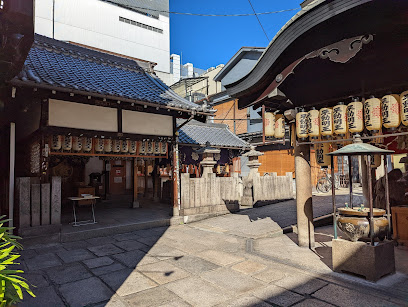
Hozen-ji Temple
542-0076
Intimate Buddhist temple along a quaint alley, with a moss-covered statue of the deity Fud...
Warabi Baitun Noor Cultural Center
Central
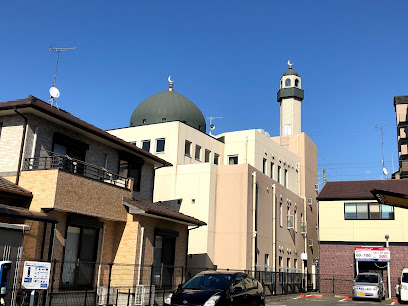
Fukuoka Masjid Al Nour Islamic Culture Center
812-0053
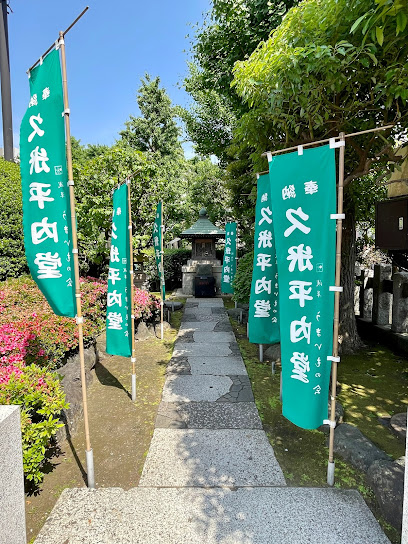
Kume no Heinai-dō
Tokyo 111-0032
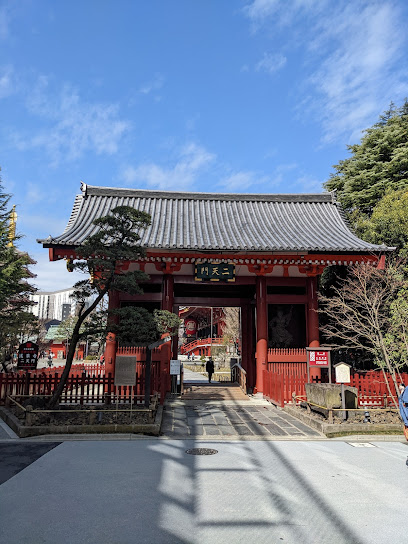
Nitenmon Gate
Tokyo 111-0032
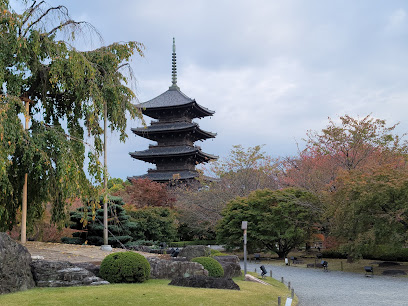
Tōji Temple
601-8473
Historic Buddhist temple with a 5-story wooden pagoda & sculptures of deities from the 8th...