
神社・寺院
日本の神社
OSM ディレクトリ
OpenStreetMap から収録した神社を、都道府県・市区町村・宗派で絞り込めます。旅行向けの厳選 listing は下のリンクから。
10 件
飯尾天神社
飯尾天神社
徳島県 · 吉野川市
Fudou-tenjin Shrine, located in Iya Valley on the island of Shikoku, is a prominent Shinto shrine dedicated to Fudo Myo-o, a powerful and benevolent deity. The shrine's architecture reflects the local Iya culture, with a unique blend of wooden and stone structures. The shrine was built during the 17th century and has since become an important cultural landmark in the region. Visitors can explore the shrine's grounds, which feature beautiful gardens and traditional Japanese buildings.
富岡八幡神社
富岡八幡神社
徳島県 · 阿南市
Fortoka Hachiman Shrine is a Shinto shrine dedicated to Hachiman, the god of war and patron deity of soldiers. Located in Aranami, Chishima Island, the shrine was built in 1845 as part of a larger shrine complex. The shrine's architecture reflects the traditional Japanese style with a main hall, torii gate, and inner shrine building. Visitors can see exhibits on the history of the shrine and Chishima Island at the adjacent museum.
奉八毛猫大明神
奉八毛猫大明神
徳島県 · 那賀町
Located in the heart of Na gauge-cho, 徳島県の 徳島県最も西端にある town, 奉八毛猫大明神 Shrine is dedicated to Inari Okami, a revered Shinto deity associated with fertility, rice harvests, and prosperity. The shrine's architecture reflects its historical significance as a major stop on the ancient pilgrimage route, known as the 88-tou, which connected the cities of Shikoku. Visitors can explore the shrine's rustic wooden torii gate, adorned with sacred charms and symbols, and marvel at the beautifully maintained grounds.
船戸大明神
船戸大明神
徳島県 · 吉野川市
The Shōmon-Ōdai Jishin Shrine in Miyoshi City, Hiroshima Prefecture was originally dedicated to the Sea God, but after World War II it was renamed and moved to its current location in Kochi Prefecture is unknown, however, the Shimo-Toda or Shōmon-Odai shrine's history is closely tied to that of the Sea God in Kochi Prefecture, with records dating back to 1188. The name Shōmon-Ōdai, meaning 'Gate of Heaven' or 'Great Gate', likely refers to its association with the sea and heaven. This shrine in Kochi is dedicated to Takamagitatsu no Okami, the Sea God, along with other kami such as Inari and Hachiman. The shrine's architecture reflects traditional Japanese design, with a gatepost adorned with a tengu figure at the entrance. The deity enshrined here is closely tied to maritime trade and prosperity.
御嶽神社
御嶽神社
徳島県 · 阿南市橘町西浦山
Located in Arisanomachi, Okura, in the heart of Naoshima Island, Kuriyamahime-jinja Shrine is a Shinto shrine dedicated to the Sea Goddess of the Island of Okura. The shrine complex includes a large torii gate and several smaller shrines. In the Edo period, the shrine was known for its beautiful garden and impressive stone lanterns. Today, visitors can enjoy traditional Japanese tea ceremonies and stunning views of the Seto Inland Sea.
日和佐八幡神社
日和佐八幡神社
徳島県 · 美波町
Dayasato Hachimangū is a Shinto shrine located in Ura-machi, Mugi, Ōita, but also has branches and worshipped as the Kami of Daya town (part of Mugi) which is near Shimoshima. The current main hall was built in 1824, during the Edo period, while it had earlier structures dating back to the Nara period. It enshrines Hachiman-gū, one of Japan's most prominent Shinto deities known for protecting the country from harm and illness. Its branches also worship local kami including Tsukiyomi and Susanoo. The shrine has played a significant role in preserving traditional crafts such as fishing gear making, and its proximity to the coast also makes it an important place for seafarers and fishermen.
春日神社
春日神社
徳島県 · 阿波市
Spring Day Shrine, located in Awa City, Tokushima Prefecture, is dedicated to the Shinto god of spring, Hachiman Okami, and other regional kami such as Seme no Okami and Ise no Okami. The shrine's architecture reflects the Heian period style, with a wooden gate and torii gate. The site was originally used for ritual purposes in the Nara period, but it gained significance during the Kamakura period. Today, visitors can experience the unique charm of this shrine by participating in traditional festivals and rituals.
八百萬神之御殿
八百萬神之御殿
徳島県 · 美馬市
The Eight Hundred Million Deity Hall Shrine, located in Ura, Oita Prefecture, is dedicated to the primary enshrined deity, Susanoo no Kami, known as the Storm God. The shrine's history dates back to the early Heian period (794-1185 CE), and it is said to have been built during the reign of Emperor Montoku (983-1000 CE). The shrine complex features a unique hall with eight halls, representing the eight cardinal directions and the eight regions of Japan. Visitors can explore the shrine grounds and experience traditional Shinto rituals and ceremonies.
Yama shrine
山神社
徳島県 · 吉野川市
Located in the heart of Gyonai River Valley, Yama Shrine is a Shinto temple dedicated to the kami of mountains and fertility. The shrine's architecture reflects its rural location, with a wooden torii gate and earthenware storage jars for sacred items. Visitors can explore the shrine grounds, which include a scenic walking path along the river.
Yama Shrine
山神社
徳島県 · 吉野川市
Located in the heart of Gyotoku, Gyotoku City, Shikoku, lies Yama Shrine, a serene Shinto sanctuary dedicated to the reverence of the mountain spirits. The shrine's design reflects its connection with nature, featuring a majestic stone torii gate surrounded by lush greenery and towering cedar trees. Visitors can walk through the tranquil grounds and experience the harmony between humans and nature.
厳選 shrine listing
landmark ガイドから選んだ神社・寺院。
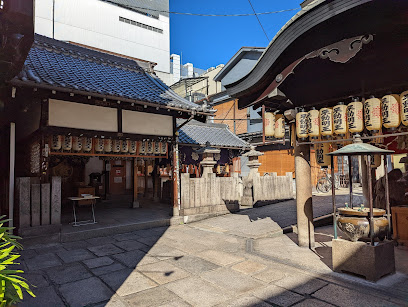
Hozen-ji Temple
542-0076
Intimate Buddhist temple along a quaint alley, with a moss-covered statue of the deity Fud...
Warabi Baitun Noor Cultural Center
Central
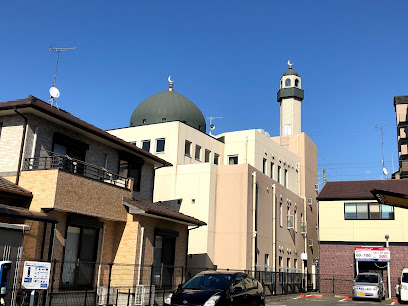
Fukuoka Masjid Al Nour Islamic Culture Center
812-0053
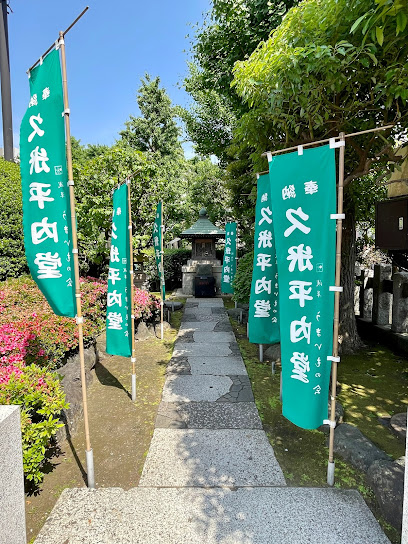
Kume no Heinai-dō
Tokyo 111-0032
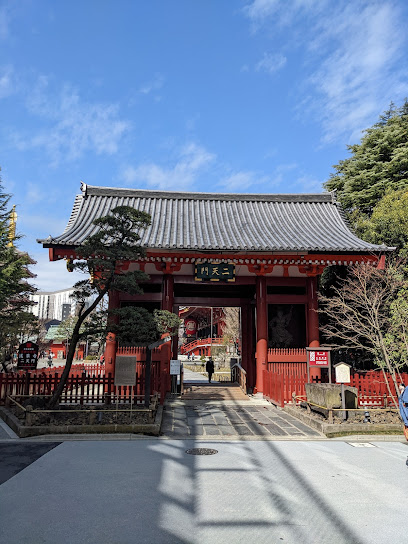
Nitenmon Gate
Tokyo 111-0032
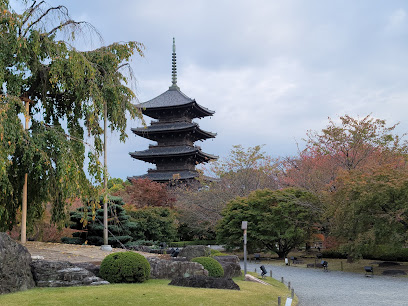
Tōji Temple
601-8473
Historic Buddhist temple with a 5-story wooden pagoda & sculptures of deities from the 8th...