
神社・寺院
日本の神社
OSM ディレクトリ
OpenStreetMap から収録した神社を、都道府県・市区町村・宗派で絞り込めます。旅行向けの厳選 listing は下のリンクから。
181 件
本堂
本堂
Ehime
Located in the city of Matsuyama, Ehime Prefecture, the Hon-do Shrine is one of Japan's oldest Shinto shrines. Dedicated to the sea goddess Susanoo-no-Mikoto and the storm god Inazuma-tsurugi no Kami, the shrine's architecture reflects its historical significance as a major port town during the Edo period. The shrine's wooden structure and traditional design showcase the region's rich cultural heritage.
清水天満宮
清水天満宮
Ehime
Located in the heart of Ehime Prefecture, 清水天滿宮 (Kiyomi Tenmangu) is a Shinto shrine dedicated to the god of learning and culture, Sugawara no Michizane. This serene oasis offers stunning views of the surrounding countryside while paying homage to the revered kami. The shrine's unique architecture reflects its age-old traditions, with intricately carved wooden pillars and beautifully landscaped gardens.
堀部神社
堀部神社
Ehime
Located in the coastal town of Imabé, Hirobe-jinja Shrine is a Shinto shrine dedicated to the kami Ō-no-Machi Ryūjin. The shrine is famous for its beautiful garden and stunning sunset views. According to local legend, the shrine was originally constructed as an ancient dwelling place for Ryūjin, who is said to have descended upon the area in search of a suitable abode.
櫻元塚明神
櫻元塚明神
Ehime
Located in the city of Matsuyama, Ehime Prefecture, Sari-kyoten no Misonami is a Shinto shrine dedicated to Misonami-no-Mikoto, a kami associated with fishing and the sea. The shrine's architecture reflects its role as a coastal protector, featuring a large torii gate designed to resemble a boat's prow. Visitors can experience the shrine's unique charm by attending one of the New Year (Oshogatsu) or Star Festival (Tanabata) celebrations.
三島神社
三島神社
Ehime
Located in the city of Imabari, Ehime Prefecture, San'ei-jinja Shrine is a Shinto shrine dedicated to the god of rice and fertility, as well as the gods of good fortune and prosperity. The shrine is known for its traditional architecture and beautiful gardens. San'ei-jinja Shrine has a long history dating back to the 8th century and is considered one of the oldest shrines in Ehime Prefecture.
萩森神社
萩森神社
Ehime
Ushimaru Shrine, located in Uchiyogane, Ehime Prefecture, is a Shinto shrine dedicated to the worship of Inari Okami, the Shinto god of rice, fertility, and prosperity. The shrine's architecture reflects its historical significance as an important stopping point for travelers on the Odawara Trail between Osaka and Kyoto. Its traditional wooden gate, known as 'torii', is adorned with vibrant vermilion paint, typical of Heian period shrines.
須賀神社
須賀神社
Ehime
Mustuga Shrine, located in the city of Matsuyama in Ehime Prefecture, is dedicated to the kami of prosperity and good fortune. The shrine is famous for its beautiful gardens and traditional architecture, which date back to the Heian period. It is also known for its unique torii gate made from Japanese cypress wood.
石清水八幡神社
石清水八幡神社
Ehime
Located in the heart of Shikoku, Ishi Clear Water Hachimangu Shrine is a sacred site dedicated to the patron deity of merchants and sailors. The shrine's name reflects its association with clear water and purification, as well as its dedication to the god of war, Hachiman. Founded during the Heian period (794-1185 CE), the shrine has undergone significant transformations over the centuries, including a major reconstruction in the 17th century. Today, visitors can explore the serene gardens and tranquil atmosphere, which are said to bring good fortune and prosperity.
稲荷大明神
稲荷大明神
Ehime
Ishibashi Shrine, dedicated to Inari Okami, the god of rice and industry, is a revered Shinto site located in Iyo-ji District, Ehime Prefecture. The shrine's history dates back to the Heian period (794-1185 CE), with records of its existence found as early as 1192 CE. Over time, the shrine has undergone renovations, including the construction of its current main hall, which was completed in 1717 during the Edo period.
須佐之男神社
須佐之男神社
Ehime
須佐之男神社 is a Shinto shrine located in Uchiko, Ehime Prefecture, Japan. The shrine is dedicated to the legendary hero Susano-o, a storm god and a major kami in Japanese mythology. The shrine's architecture reflects the traditional style of shrines from the Kamakura period, with a vermilion torii gate and a large stone statue of Susano-o. The shrine grounds also feature a sacred pool where visitors can purify themselves before entering the shrine.
須佐賀神社
須佐賀神社
Ehime
Mustuga Shrine, located in the heart of Ehime Prefecture, is dedicated to the Shinto deities believed to protect the local inhabitants from illness and misfortune. The shrine's architecture is characterized by a simple yet elegant design, with a main hall featuring a roof supported by two large wooden pillars. A beautiful garden surrounds the shrine, showcasing traditional Japanese landscaping techniques. As one of the oldest shrines in Ehime Prefecture, Mustuga Shrine has been an important spiritual center for locals for centuries.
別宮大山祇神社
別宮大山祇神社
Ehime
Located in the city of Kitadani, Ehime Prefecture, Shikinejima Shrine is a Shinto shrine dedicated to the deity Ōgami-yakata. The shrine's current structure dates back to the Edo period, with earlier shrines built during the Heian and Kamakura periods. The shrine's architecture features traditional Japanese design elements, such as a tiled roof and a wooden torii gate.
清高稲荷神社
清高稲荷神社
Ehime
清高稲荷神社 is a Shinto shrine located in Ehime Prefecture, dedicated to the worship of Fujitsubo Tsukuyomi, an ancestral deity of the imperial family and the god of sake, fertility, and prosperity. The shrine's architecture reflects the traditional style of Japanese temples, with a wooden main hall and tiled roof. Visitors can enjoy the peaceful atmosphere, beautiful gardens, and the seasonal changing of the shrine's lanterns.
荒神社
荒神社
Ehime
Located in the city of Matsuyama, Arashi Shrine is a Shinto temple dedicated to Inari Okami, the kami of rice and fertility. The shrine is famous for its beautiful gardens and traditional architecture, which reflect the region's cultural heritage. Visitors can explore the shrine's various shrines and halls, including the main hall of the deity Amaterasu Okami.
奈良原神社
奈良原神社
Ehime
Nara-gaoka Shrine, located in Iyotsu, Ehime Prefecture, is a Shinto shrine dedicated to the kami of the forest and the village. The shrine's architecture reflects its historical significance as a major hub during the Heian period (794-1185 CE). Visitors can explore the shrine's beautiful gardens and traditional wooden buildings, which date back to the 17th century.
姫坂神社
姫坂神社
Ehime
Mishima Shrine, located in the picturesque town of Mishima in Ehime Prefecture, is a tranquil Shinto oasis that embodies the spiritual essence of its surroundings. Dedicated to Inari Okami, the Shinto deity of fertility, prosperity, and rice, this shrine has been an integral part of local life for centuries. Visitors can experience the serene beauty of the shrine's surroundings, which feature stunning cherry blossom trees and traditional Japanese gardens.
鴨部神社
鴨部神社
Ehime
The Katsuura Shrine, located in Ehime Prefecture, is a Shinto shrine dedicated to the kami of Iwakuni-no-kami. This shrine is known for its well-preserved traditional architecture and peaceful atmosphere. The shrine's main hall, haiden, features a striking example of traditional Japanese design with a tiled roof and a large torii gate. Visitors can walk through the serene grounds and experience the tranquil beauty of nature surrounding the shrine.
御鉾神社
御鉾神社
Ehime
The御鉾神社 is a Shinto shrine located in Ehime Prefecture, Japan. Its primary enshrined deity is the kami Uke Masaoka, a deity associated with the city of Matsuyama. The shrine's architecture reflects its history, dating back to the Heian period (794-1185 CE), and features traditional Japanese wooden construction. Visitors can learn about the shrine's significance at the adjacent museum.
三嶋神社
三嶋神社
Ehime
Located in central Ehime Prefecture, Sanmori Shrine is dedicated to the Shinto god of fire and industry, Okuninushi, as well as the sea goddess Kushimamiya Hachiman Okami. This shrine complex features a distinctive thatched-roof hall with two large pillars, a structure believed to be over 400 years old. The shrine's significance dates back to the Kamakura period.
祇園神社
祇園神社
Ehime
Praye no Ie Shrine, located in the heart of Matsuyama City, Ehime Prefecture, is a sacred Shinto site dedicated to the worship of various kami. The shrine's architecture reflects its historical significance as a key site in the region's spiritual landscape. Founded during the Kamakura period, Praye no Ie Shrine has been an important place for locals to seek blessings and guidance.
荒神社
荒神社
Ehime
Arashinsha, a Shinto shrine dedicated to the kami of rice, agriculture, and fertility. Located in Ehime Prefecture, it is believed to be one of the oldest shrines on the island. The shrine's architecture reflects the traditional Japanese style, with a simple yet elegant design featuring a torii gate and a haiden, or main hall. Visitors can admire the shrine's tranquil atmosphere and historic significance while exploring its grounds.
御鉾宮
御鉾宮
Ehime
Located in the Kochi Prefectural city of Uwajima, Ōhashi-taisha is a Shinto shrine dedicated to Ōkuninushi, one of the three deities believed to have created humans. While not directly related to Ehime Prefecture, it showcases the regional kami and enshrined deities of Western Japan. Ōhashi-taisha's architecture reflects the Heian period style, with a large hall dedicated to Ōkuninushi.
三島神社
三島神社
Ehime
Located in the heart of Shikoku Island, Three Islands Shrine is a prominent Shinto shrine dedicated to the deity Susanoo, known as 'the God of Storms' and 'the God of Fertility'. The shrine's architecture reflects the Heian period style, with a unique octagonal structure. Visitors can explore the shrine grounds, which include a tranquil garden and a museum showcasing the history of the shrine. The shrine is also famous for its annual Summer Festival, where locals gather to perform traditional dances and offer prayers.
綱敷天満神社
綱敷天満神社
Ehime
綱敷天満神社, located in Ehime Prefecture, is a historic Shinto shrine dedicated to the deity Tenman, often associated with protection and good fortune. Built during the Heian period (794-1185 CE), its architecture reflects the traditional style of Japanese shrines, featuring a grand main hall and smaller subsidiary buildings. The shrine's name refers to its location near a former imperial palace, where the Emperor would often visit for hunting excursions. The shrine's grounds also feature several ancient trees and a scenic pond.
厳選 shrine listing
landmark ガイドから選んだ神社・寺院。
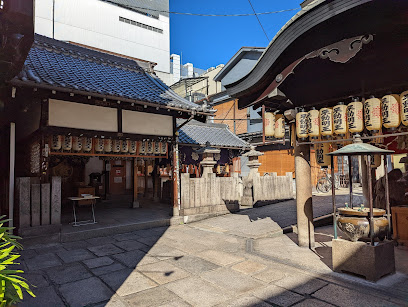
Hozen-ji Temple
542-0076
Intimate Buddhist temple along a quaint alley, with a moss-covered statue of the deity Fud...
Warabi Baitun Noor Cultural Center
Central
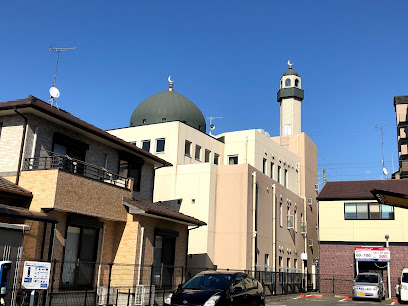
Fukuoka Masjid Al Nour Islamic Culture Center
812-0053
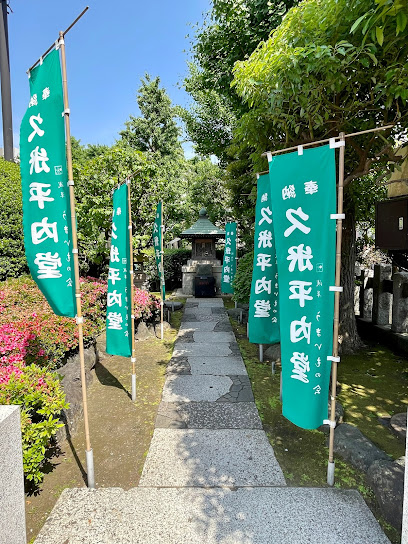
Kume no Heinai-dō
Tokyo 111-0032
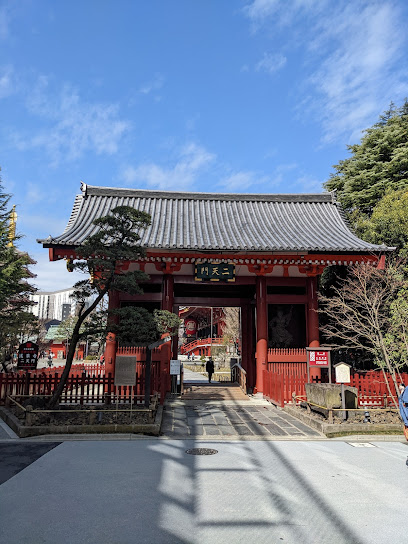
Nitenmon Gate
Tokyo 111-0032
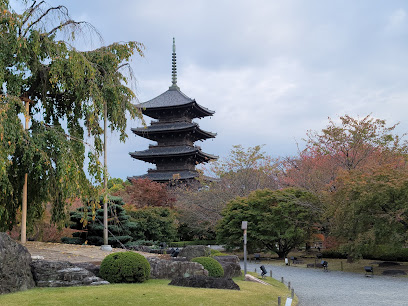
Tōji Temple
601-8473
Historic Buddhist temple with a 5-story wooden pagoda & sculptures of deities from the 8th...