

神社・寺院
日本の神社
OSM ディレクトリ
OpenStreetMap から収録した神社を、都道府県・市区町村・宗派で絞り込めます。旅行向けの厳選 listing は下のリンクから。
30,440 件
折戸神社奥の院 鳥居
折戸神社奥の院 鳥居
Hokkaido
Located in the scenic town of Shiraoi, Hokkaido, 折戸神社奥の院 is a serene Shinto shrine dedicated to the gods and goddesses of rice and prosperity. The shrine's architecture is characteristic of the Hokkaido region, with a distinctive roof design and wooden structures that reflect the traditional Japanese style. The tranquil atmosphere and picturesque surroundings make it an ideal destination for nature lovers and those seeking spiritual enlightenment.
秋葉神社
秋葉神社
Akita
Akibayashi Shrine, dedicated to the god of rice and fertility, is located in the city center of Akita. The shrine's architecture reflects the traditional Heian period style, with a vermilion torii gate and wooden structures. Visitors can experience the tranquil atmosphere and beautiful gardens during their visit.
小山神社
小山神社
Kochi
岡前神社
岡前神社
Osaka
Located in Osaka, Okapre Shrine is dedicated to the kami of rice and fertility. The shrine's primary enshrinement is Osumi Okami no Kami, a deity associated with agriculture and prosperity. Visitors can explore the shrine's tranquil gardens and traditional architecture, which date back to the Edo period. Cultural events and festivals, such as the annual spring festival, celebrate the arrival of new crops and good fortune.
嘉祥神社
嘉祥神社
Osaka
Located in Osaka, 嘉祥神社 is a Shinto shrine dedicated to the kami of prosperity and good fortune. The shrine's name, which translates to 'Prosperity God Shrine', reflects its association with wealth and economic success. Built during the Kamakura period (1185-1333), the shrine features traditional Japanese architecture, including a large torii gate and a five-story pagoda.
若宮神社
若宮神社
Osaka
Located in Osaka, Ifukuji Shrine is a Shinto shrine dedicated to the kami of education and learning. The shrine's main hall was built during the Heian period (794-1185 CE) and features a unique vermillion torii gate adorned with traditional Japanese carvings. Visitors can explore the shrine's museum and library, which houses ancient texts and artifacts related to the shrine's history and significance.
白菊神社
白菊神社
Osaka
Located in the heart of Osaka, White Lotus Shrine is a sacred site dedicated to the Shinto deity Enma, god of the underworld and judge of the dead. The shrine's architecture reflects the Heian period (794-1185 CE), with a distinctive red torii gate and a beautiful garden featuring plum trees, symbolizing longevity and honor. Visitors can explore the shrine's tranquil grounds, admire the intricate carvings on the doors, and experience the unique charm of this Osaka gem.
春日神社
春日神社
Osaka
Spring Day Shrine, located in Osaka, is a Shinto temple dedicated to the kami of spring and fertility. Its main deity, Okuninushi, is revered for his role in purifying the land and bringing new life. The shrine's architecture reflects its historical significance as a center of worship during the Heian period.
大将軍神社
大将軍神社
Nara
金山稲荷神社
金山稲荷神社
Hyogo
Kamiyama Inari Shrine, located in the heart of Kobe, is one of Japan's most famous Shinto shrines dedicated to the goddess Inari Okami. The shrine is nestled on a hill overlooking the harbor and boasts a striking architecture that blends traditional Japanese design with modern elements. Visitors can walk along the paths lined with vermilion torii gates and rows of paper offerings for rice, fish, and other goods, symbolizing gratitude and prosperity. During festivals, particularly the Annual Inari Festival, thousands gather to pray for good fortune, business success, and peace.
住吉神社
住吉神社
Osaka
Resha-ji Shrine, located in Osaka Prefecture, is a Shinto shrine dedicated to the god of good luck, prosperity, and maritime safety. The shrine is situated on a hill overlooking the city and is known for its beautiful gardens and traditional architecture. Resha-ji was established during the Edo period (1603-1868) as a sacred site to ensure safe passage for ships and fishermen in the busy Osaka Port.
泉州磐船神社
泉州磐船神社
Osaka
Located in the heart of Osaka, 泊州磐船神社 is a Shinto shrine dedicated to the god of ships and navigation,磐船神 (Fusen-no-kami). The shrine is situated near the port area of 泊州 (Sakushu), which was an important hub for maritime trade and commerce in ancient Japan. Visitors can explore the shrine's traditional architecture, including a wooden torii gate and a vermilion torii gate, while learning about its rich history and cultural significance.
大宮大原神社
大宮大原神社
Chiba
Located in the city of Sakura, Chiba Prefecture, Ōmori Taisha is a Shinto shrine that has been worshiped since the Heian period (794-1185 CE). The shrine is dedicated to the sun goddess Amaterasu and her son Susanoo, two of the most important kami in Shinto mythology. The shrine's main building, Ōmori-gū, is a traditional Japanese architecture style with a tiled roof and a vermillion torii gate.
三坂神社
三坂神社
Kyoto
Three-saka Shrine, located in the heart of Kyoto's Shimogyo ward, is a Shinto shrine dedicated to the deity Amaterasu, who is believed to reside at the mountain peak of Mount Tennoji. The shrine's architecture reflects the Heian period style, with a striking vermilion torii gate and a beautiful garden filled with cherry blossom trees. Visitors can explore the shrine's historic buildings, including the main hall and the shrine museum, which houses an impressive collection of traditional Japanese art and artifacts.
奈加美神社
奈加美神社
Osaka
Nakami Shrine in Osaka is a Shinto shrine dedicated to the deity Nakatomi, revered as a protector of the city and its inhabitants. The shrine's architecture reflects the Heian period style, with a unique five-story pagoda at its entrance. Visitors can experience the shrine's tranquil atmosphere during cherry blossom season or autumn foliage.
水神社
水神社
Shizuoka
Water Spirit Shrine, located in the city of Fujiyoshida, Shizuoka Prefecture, is dedicated to the enshrined deity, Shinwa no Okami-gami, a kami associated with water and storms. The shrine's architecture reflects its historical significance as a center for irrigation and water management during the Edo period. Visitors can experience the serene beauty of the shrine's gardens and observe traditional Japanese craftsmanship in the onigashira (main gate).
宇夫階神社
宇夫階神社
Kagawa
Located in the town of Zentsuji, Kagawa Prefecture, Uehonji Shrine is a Shinto shrine dedicated to the kami Ōno-machi Inari. The shrine is famous for its beautiful garden and traditional architecture, which reflect the influences of the Heian period. Visitors can explore the shrine's main hall, which features an impressive 12-tiered pagoda, as well as the nearby Zentsu-ji Temple complex.
浮島神社
浮島神社
Gifu
愛宕神社
愛宕神社
Miyagi
Ai Date Shrine, located in the city of Sendai in Miyagi Prefecture, is dedicated to the sun goddess Amaterasu Omikami and her grandson Susanowo. The shrine's current structure dates back to 1681, but it is believed that a previous shrine existed on this site since the Edo period. The shrine is famous for its beautiful gardens and traditional architecture, which reflect the Heian-style of Japan's imperial past.
淀姫神社
淀姫神社
Saga
The Tsudahime Shrine in Saga Prefecture is a Shinto shrine dedicated to Tsudahime, a local kami believed to have been an ancestral deity of the region's ancient rulers. The shrine's architecture reflects its historical significance as a major center for royal patronage during the Nara period. Visitors can explore the traditional torii gate and serene gardens, which offer a glimpse into the shrine's rich cultural heritage.
皆天満宮
皆天満宮
Nara
お稲荷様
お稲荷様
Fukushima
白蛇明神様
白蛇明神様
Fukushima
豊受神社
豊受神社
Chiba
Located in the heart of Nikko National Park, Toyosu Shrine is a Shinto shrine dedicated to the kami Inari Okami, revered as the patron deity of rice and industry. The shrine's architecture reflects traditional Edomachi-zukuri style, with a wooden torii gate and a honden built using local Japanese cypress. Built in 1617 during the Edo period, the shrine has undergone several renovations while maintaining its original charm.
厳選 shrine listing
landmark ガイドから選んだ神社・寺院。
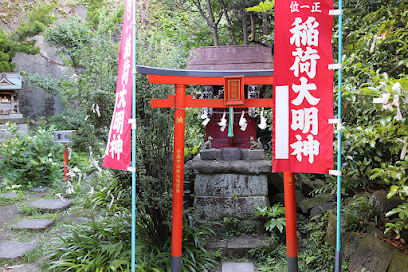
Otsuna Kompira Shrine
Kanagawa 221-0834
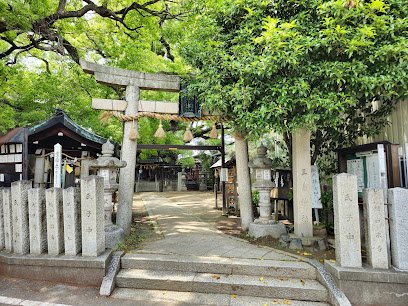
Mitsushima Shrine
Osaka 571-0015
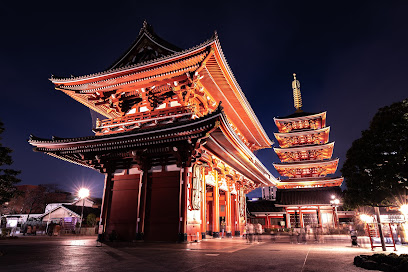
Sensō-ji
Tokyo 111-0032
Completed in 645, this temple, Tokyo's oldest, was built to honor Kannon, the goddess of m...
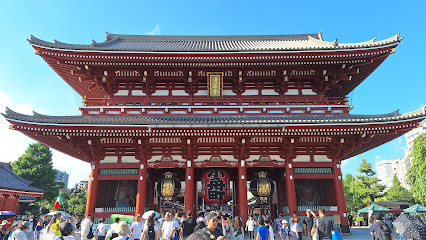
Kaminarimon
Tokyo 111-0032
A 3.9m-tall lantern greets visitors to this stately gate at the entrance to Sensō-ji templ...
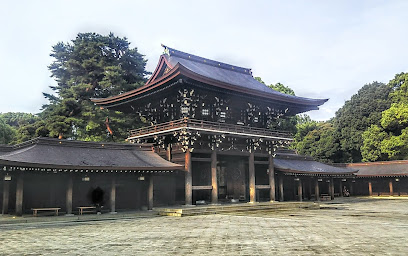
Meiji Jingu
Tokyo 151-8557
Surrounded by forest, this venerable Shinto shrine features a seasonal iris garden.

Kushida Shrine
812-0026
Founded in 757 CE, this urban site annually hosts the city's largest festival, Hakata Gion...