
神社・寺院
日本の神社
OSM ディレクトリ
OpenStreetMap から収録した神社を、都道府県・市区町村・宗派で絞り込めます。旅行向けの厳選 listing は下のリンクから。
276 件
白山神社
白山神社
Iwate
Located in the mountainous region of Iwate, White Mountain Shrine is a Shinto shrine dedicated to the worship of Izumo Taisho, a god of agriculture and prosperity. The shrine's architecture reflects its rustic surroundings, with a wooden torii gate and traditional Japanese buildings. Visitors can experience the serene atmosphere of the shrine's gardens, which feature a variety of plants and trees native to the region.
天神社
天神社
Iwate
Located in the Aomori Prefecture, not Iwate, the Tenjin Shrine is a Shinto shrine dedicated to the god of learning and culture, Sugawara no Michizane. The shrine is famous for its beautiful gardens and traditional architecture, which reflect the Kamakura period style.
磐澤稲荷神社
磐澤稲荷神社
Iwate
Tsutsukawa Inari Shrine, dedicated to the god of rice and fertility, is a Shinto temple located in the city of Mutsu, Iwate Prefecture. The shrine is famous for its beautiful architecture and scenic location on the coast. It was built in 1607 during the Edo period and has been restored several times over the centuries. The shrine's main hall is decorated with ornate carp carvings and features a unique vermillion roof.
黄金山神社
黄金山神社
Iwate
Located in the picturesque prefecture of Iwate, 黄金山神社 (Gold Mountain Shrine) is a Shinto temple dedicated to the worship of the kami, Ryujin, who is believed to reside within its golden-hued rocks. This historic shrine dates back to the Heian period and features a unique architectural style that blends traditional and modern elements.
早馬神社
早馬神社
Iwate
Earlyma Shrine, located in the Tohoku region of Iwate Prefecture, is dedicated to the Shinto deity of the same name, believed to be a kami associated with early morning rituals and daily life. The shrine's architecture reflects traditional Japanese styles, with a rectangular main hall and several smaller buildings. While historical records are scarce, it is believed that the shrine was founded in the Edo period (1603-1867).
熊野神社
熊野神社
Iwate
Koresha Shrine, located in the heart of Kamaishi City in Iwate Prefecture, is dedicated to the Shinto god Amaterasu Omikami. Founded in 1888, the shrine was rebuilt after a devastating earthquake in 1896. The shrine's architecture reflects traditional Japanese design, with a wooden torii gate and a vermilion-hued outer shrine. Visitors can explore the shrine grounds, which feature several ponds, walking paths, and historic structures.
八幡神社
八幡神社
Iwate
Located in the city of Mutsu, Aomori Prefecture is not correct, Iwate Prefecture has many shrines — but八幡神社 (Hachimantai Shrine) is a prominent one in Iwate. The shrine is dedicated to Hachiman, the Shinto god of war and patron of samurai. Dedicated to him since 1698, Hachimantai Shrine is famous for its beautiful architecture and stunning natural surroundings. It is also known as a sacred site for purification and protection. Hachiman is believed to have appeared to the legendary Japanese emperor Jimmu around 660 BC in order to lead Japan to victory over the Ryukyu Kingdom. The shrine's annual Hachimantai Festival, which usually takes place in July or August, honors this event with parades, music performances and dances. Visitors can also experience a sake brewin process, participate in a traditional Japanese dance called 'Oshogatsu' or enjoy traditional food such as grilled chicken and vegetables. The shrine's architecture is influenced by the Heian period and has several buildings that are said to be over 300 years old. In addition to its historical significance, Hachimantai Shrine is also a popular destination for nature lovers. Its location in the mountains offers stunning views of Lake Hachimantai, as well as access to hiking trails and waterfalls. Visitors can experience the serene beauty of the shrine's gardens, which are filled with traditional Japanese plants such as bamboo and cherry blossoms. For those visiting the shrine, a practical tip is to bring comfortable shoes for hiking and to dress in layers for the changing mountain weather.
熊野神社
熊野神社
Iwate
Nikko's sacred forest, Mount Nyoho, is connected to the Hachiman shrine in Iwate prefecture. As a place of pilgrimage and prayer, the shrine has been revered for centuries for its natural beauty and spiritual significance.
あわしま神社
あわしま神社
Iwate
Awasima Shrine is a Shinto shrine located in Mutsu, Iwate Prefecture, dedicated to the goddess of fertility and prosperity, Himiko. The shrine's architecture reflects the region's unique cultural heritage, with a blend of traditional and modern elements. Visitors can explore the shrine's beautiful gardens and historic buildings, including the main hall and the sacred oak tree.
盛岡旭竜神社
盛岡旭竜神社
Iwate
Located in the city of Mutsu, Iwate Prefecture, Ryūjin-gū is a Shinto shrine dedicated to the god of the sea and storms, Ryūjin. It is one of the oldest shrines on the northern island of Honshu and has been an important spiritual center for the local community since its founding in 718 CE. The shrine's architecture reflects the region's unique cultural heritage, blending traditional elements with modern designs.
春日大明神宮
春日大明神宮
Iwate
Located in the city of Mutsu, Iwate Prefecture, Spring Day Taishogamia Shrine is dedicated to Takehisa Konishi, a renowned Japanese daimyo (feudal lord) and samurai who played a key role in the defense of the northern provinces against the Mongol invasions during the Genkō War. As one of the oldest shrines in Japan, it has been an important cultural and spiritual center for the region.
駒形神社
駒形神社
Iwate
Located in the town of Mutsu, Iwate Prefecture, Mutsu Hachiman Shrine is one of Japan's oldest Shinto shrines, dedicated to the deity Hachiman Okami. As a key stop on the Nakasendo Way, this shrine has played an important role in the transportation and communication between Edo (modern-day Tokyo) and Kyoto. Visitors can explore the shrine's historic buildings, including the main hall with its iconic wooden roof, as well as the adjacent museum showcasing artifacts related to the shrine and its history.
八坂神社
八坂神社
Iwate
Located in the scenic town of Mutsu, Iwate Prefecture,八坂神社 is a historic Shinto shrine dedicated to the god of prosperity and good fortune. With roots dating back to the early Heian period (794-1185 CE), this shrine has been an important cultural and spiritual hub for locals and travelers alike. The shrine's architecture reflects its rich history, with a traditional Honden hall constructed in the 17th century during the Edo period. As one of Japan's oldest shrines, 八坂神社 is steeped in tradition and mythology, making it a must-visit destination for anyone interested in Japanese culture and spirituality.
神明宮
神明宮
Iwate
Godaiyama Shrine, located in the town of Yamada in Iwate Prefecture, is dedicated to the Shinto deity Godai, who is revered as a kami associated with rice fields and fertility. The shrine's architecture reflects traditional Japanese design, with a large torii gate and a hall that spans both floors, characteristic of the Mōri-ji style. Visitors can explore the shrine grounds, which include a shrine hall, a forested area, and a nearby pond.
住吉神社
住吉神社
Iwate
Residing in the picturesque town of Hiraizumi, Iwate Prefecture's Izunuma Shrine is dedicated to the deity of good luck and prosperity, known as Izunagiku. This Shinto shrine boasts a serene atmosphere and traditional architecture, offering a glimpse into Japan's rich cultural heritage. The shrine's primary enshrinement is that of Izunagiku, who is said to have been worshipped by the local inhabitants for centuries.
白山神社
白山神社
Iwate
Located in the Hachiman-ga-hara district of Iwate Prefecture, Shirane Shrine is a Shinto shrine dedicated to the deities of war and agriculture. The shrine is famous for its beautiful architecture and stunning natural surroundings, standing at the foot of Mount Hakusan. According to legend, the shrine was built in 736 by Emperor Genmei, who prayed for the prosperity of his people from the mountain.
天満宮
天満宮
Iwate
Located in the coastal city of Kamaishi, Tenson-ji Temple is a Shinto shrine dedicated to Benzaiten, the Goddess of Wisdom and Beauty, as well as Hachiman, the God of War. Built in 1887 during the Meiji period, the temple's architecture reflects a mix of traditional and modern styles. The shrine's design features a unique blend of Japanese and Western influences, with a distinctive wooden torii gate and a striking copper pagoda. Visitors can experience the temple's tranquil atmosphere and explore its grounds, which offer stunning views of the surrounding coastline.
若宮八幡宮
若宮八幡宮
Iwate
Located in the city of Mutsu, Iwate Prefecture, Ifuku Shrine is one of the most famous Shinto shrines in Japan. Dedicated to Susanowo-no-kami, the storm god and brother of Amaterasu, Ifuku Shrine offers a serene escape from the bustling city. Visitors can experience the shrine's unique architecture, which combines traditional and modern elements, and participate in various festivals throughout the year.
諏訪神社
諏訪神社
Iwate
Located in the Aomori prefecture of northern Japan, Mutsu Fujita Shrine is one of the most famous Shinto shrines dedicated to Fujita, the god of agriculture and fertility. The shrine's history dates back to the Heian period (794-1185 CE), during which it was built as a sacred place for the worship of Fujita and other local deities. Mutsu Fujita Shrine is known for its beautiful garden and traditional architecture, including a unique style of torii gate that blends seamlessly into its natural surroundings.
丹波神社
丹波神社
Iwate
Danbo-jinja, a Shinto shrine located in Iwate Prefecture, is dedicated to the kami of agriculture and fertility. The shrine's name 'Danbo' refers to the Japanese phrase for 'dandelion,' which symbolizes good luck and prosperity. Danbo-jinja is known for its scenic location amidst the Rikuzentakata Coast, a region heavily affected by the 2011 Tohoku earthquake and tsunami.
雷神社
雷神社
Iwate
雷神社 is a Shinto shrine located in the city of Miyako, Iwate Prefecture. Dedicated to Raijin, the god of thunder and lightning, the shrine's architecture reflects its focus on weather control. The main hall, designed in the traditional Heian-style with a curved roof, is adorned with wooden carvings depicting storms and lightning bolts.
山神社
山神社
Iwate
Mountainside Shinto Shrine located in the city of Mutsu, Iwate Prefecture, Japan, is dedicated to the kami of mountains and forests. The shrine's architecture reflects its rural setting, with a simple yet sturdy wooden structure and a tiled roof. Visitors can enjoy stunning views of the surrounding mountains while exploring the shrine's grounds.
白山神社
白山神社
Iwate
White Mountain Shrine, located in Iwate Prefecture, is dedicated to the Shinto deity Zao-okiya Hachiman, patron of the region's mountains and forests. As one of Japan's oldest shrines, White Mountain Shrine has been a place of worship for over 1,200 years. The shrine's architecture reflects its historical significance, with a wooden torii gate and traditional Japanese-style buildings.
熊野神社
熊野神社
Iwate
Hokuto Shrine, located in Iwate Prefecture, is a Shinto shrine dedicated to the kami of Mount Hakken, also known as Mount Hakken-yama. The shrine's architecture reflects the Heian period (794-1185 CE) with its main hall and vermillion torii gate. The shrine is believed to have been founded in 800 CE during the Nara period. Visitors can experience the serene atmosphere of the shrine, surrounded by trees and a tranquil pond. The shrine also hosts various festivals throughout the year, including the Hakken Shrine Festival, which honors the kami and celebrates the changing of the seasons.
厳選 shrine listing
landmark ガイドから選んだ神社・寺院。
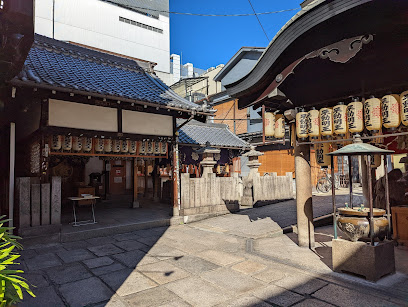
Hozen-ji Temple
542-0076
Intimate Buddhist temple along a quaint alley, with a moss-covered statue of the deity Fud...
Warabi Baitun Noor Cultural Center
Central
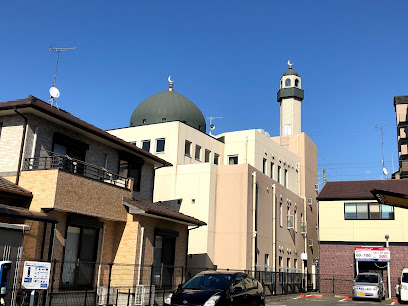
Fukuoka Masjid Al Nour Islamic Culture Center
812-0053
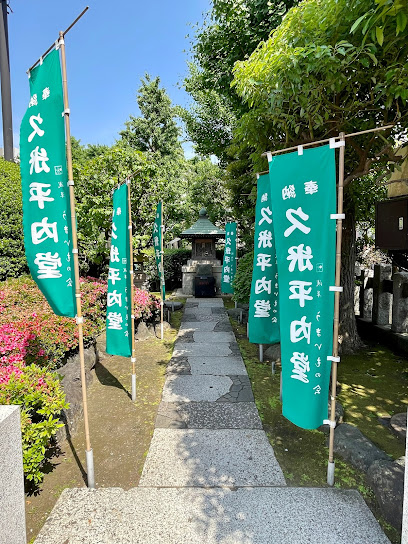
Kume no Heinai-dō
Tokyo 111-0032
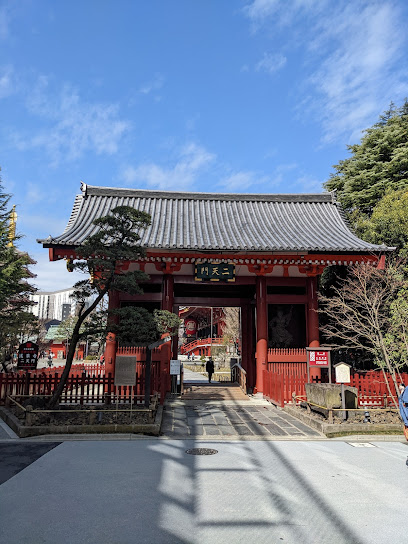
Nitenmon Gate
Tokyo 111-0032
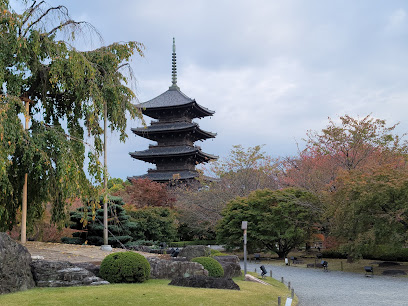
Tōji Temple
601-8473
Historic Buddhist temple with a 5-story wooden pagoda & sculptures of deities from the 8th...