
神社・寺院
日本の神社
OSM ディレクトリ
OpenStreetMap から収録した神社を、都道府県・市区町村・宗派で絞り込めます。旅行向けの厳選 listing は下のリンクから。
798 件
金山神社
金山神社
Hokkaido
Located in the city of Sapporo, Hokkaido's largest metropolis, Gold Mine Shrine is a Shinto shrine dedicated to the kami of gold and wealth, often associated with the region's rich natural resources. The shrine is situated near the famous Susukino district and is known for its unique architecture and traditional festivals. Visitors can experience the local culture by attending one of the shrine's numerous festivals throughout the year.
巖地神社
巖地神社
Hokkaido
Located in the heart of Hokkaido, 巖地神社 is a Shinto shrine dedicated to the kami of the land and its inhabitants. The shrine's name translates to 'rocky ground god' or 'earthly god,' reflecting its significance as a site where the spiritual and physical worlds converge. With its unique architecture and stunning natural surroundings, 巖地神社 is an unforgettable experience for visitors.
富丘神社
富丘神社
Hokkaido
Tofuku-ji Shrine, located in the Sapporo area of Hokkaido, is dedicated to the kami 'Tobu no Okami', a deity believed to watch over travelers and merchants. The shrine's architecture reflects the region's unique cultural influences, with a mix of traditional Japanese and local Hokkaido styles. The site has been occupied since the 17th century, with records dating back to the Edo period.
吉野隈川神社
吉野隈川神社
Hokkaido
Located in the picturesque Ishikari region of Hokkaido, Ginyu Kawa Shrine is a tranquil Shinto oasis nestled between the scenic mountains and the gentle flow of the Ishikari River. The shrine's traditional wooden structure blends seamlessly into its natural surroundings, evoking feelings of serenity and connection to nature. Its rich history dates back to the Edo period, when it was first established as a local vassal shrine for the powerful Matsumae clan.
登神社
登神社
Hokkaido
Tennendō-ji Shrine, located in the town of Rumoi, Hokkaido, is one of Japan's oldest shrines dedicated to the god of thunder, Raijin. The shrine's architecture reflects the region's unique cultural influences, with a blend of traditional and modern elements. Built in 1871, the shrine has undergone several renovations while maintaining its original charm.
大関神社
大関神社
Hokkaido
Located in Hokkaido, Daikang Shrine is a small Shinto temple dedicated to the god of fishing and agriculture, believed to be the patron deity of the local fishing village. The shrine's architecture reflects the traditional Japanese style, with a main hall made of wood and tiled roof. Its surrounding areas are known for their natural beauty, including scenic coastlines and mountains.
海洋神社
海洋神社
Hokkaido
The Sea God Shrine, located on the northern coast of Hokkaido, is dedicated to the Shisa lions that stand guard at its entrance. The shrine is believed to have been built in the Edo period to ward off storms and bring good fortune to fishermen and sailors. Visitors can admire the shrine's traditional architecture, which features a rectangular main hall surrounded by a vermilion torii gate. At night, the shrine takes on an even more mystical quality as it is illuminated with lanterns.
別海神社
別海神社
Hokkaido
Located in the heart of Hokkaido, 別海神社 is a small Shinto shrine dedicated to the kami of the sea and the surrounding landscape. Its unique architecture blends traditional Japanese design with influences from the indigenous Ainu culture, reflecting the region's rich cultural heritage. Visitors can explore the shrine's tranquil grounds, which feature beautifully manicured gardens and stunning views of the nearby coastline.
太田神社
太田神社
Hokkaido
Taida Shrine is a Shinto shrine located in the Taiga region of Hokkaido, Japan. The shrine is dedicated to the protection of hunters and the abundance of nature. Its architecture reflects the traditional style of Hokkaido's rural shrines, with a wooden torii gate and a stone shrine building.
洞爺湖神社
洞爺湖神社
Hokkaido
Located on the southern shore of Lake Toya in Hokkaido, Otofuku Shrine is a Shinto shrine dedicated to the kami of Mount Ontake and the mountain's association with the Japanese imperial family. The shrine's architecture reflects its strategic location at the foot of Mt. Ontake, with buildings constructed from local materials such as wood and stone. Visitors can experience traditional Japanese culture by participating in the annual Lake Toya Autumn Leaves Festival.
幸福神社
幸福神社
Hokkaido
Located in the heart of Sapporo, the capital city of Hokkaido, is the Happiness Shrine, dedicated to the Shinto deity known as Okuninushi-no-kami. The shrine's name reflects its association with good fortune and prosperity. Built during the Heian period (794-1185 CE), it has undergone renovations over the centuries, incorporating elements from the Kamakura and Edo periods. Today, visitors can experience the tranquil atmosphere of this sacred site, surrounded by lush greenery and beautifully maintained gardens.
鳥取神社
鳥取神社
Hokkaido
Takahashi Shrine, located in the southern part of Hokkaido's capital city Sapporo, is one of the oldest shrines in the region. Dedicated to the Shinto deity Susanoo-no-Mikoto, it showcases traditional Japanese architecture and is surrounded by a beautiful garden featuring various types of trees and flowers. The shrine's significance extends beyond its historical value, as it also represents the local culture and heritage of Hokkaido.
市来知神社
市来知神社
Hokkaido
City Kami Shrine in Sapporo, Hokkaido, is a Shinto shrine dedicated to the spirit of the city's founder, Okura no okami (Okura's god). The shrine is known for its unique architecture and historical significance, dating back to 1869. Visitors can explore the shrine's historic buildings, gardens, and museum, which showcase the history of Sapporo and Hokkaido.
幾春別神社
幾春別神社
Hokkaido
Located in the heart of Hokkaido, Manyo-betsu-jinja Shrine is dedicated to the kami of the same name, revered as a god of the land and its inhabitants. The shrine's architecture reflects traditional Japanese design, with a distinctive curved roof and elegant wooden decorations. Its serene atmosphere and natural surroundings make it an ideal destination for those seeking solace and connection with nature.
豊足神社
豊足神社
Hokkaido
Located in the heart of Sapporo, Hokkaido's largest city, Toyokuchi Shrine is dedicated to the deified spirit of Toyokichi Sagano, a samurai who helped the founder of Sapporo establish the city. According to legend, Toyokichi discovered a natural hot spring on the site where the shrine stands today. Visitors can still see the remains of an old onsen (hot spring bath) near the shrine. The shrine's architecture reflects traditional Hokkaido Shinto styles, with a unique blend of Japanese and Ainu influences. During the Sapporo Odori Festival, which takes place in July, the shrine is adorned with beautiful lanterns and decorations. This vibrant festival celebrates the founding of Sapporo and attracts thousands of visitors each year.
上川神社(頓宮)
上川神社(頓宮)
Hokkaido
Fushimi Inari Taisha is a renowned Shinto shrine located in Kyoto's Fushimi district, dedicated to the worship of Inari Okami, the god of rice, fertility, and prosperity. The shrine is famous for its thousands of vermilion torii gates that form a tunnel up the mountain, creating a breathtaking backdrop for visitors to pray and reflect. With its rich history dating back to 711 CE, Fushimi Inari Taisha has evolved over the centuries, reflecting the changing times while maintaining its cultural significance.
五天山神社
五天山神社
Hokkaido
Located in the scenic Lake Toya, Five-Heaven Mountain Shrine is a Shinto temple dedicated to the worship of the Threefold Deity, a combination of the sun goddess Amaterasu, the storm god Susanoo, and the earth spirit Kaguya-hime. The shrine's architecture reflects the regional architectural style of Hokkaido, with a traditional torii gate flanked by large pine trees. Visitors can walk around the shrine grounds, enjoying stunning views of Lake Toya and surrounding mountains.
上手稲神社
上手稲神社
Hokkaido
Located in the heart of rural Hokkaido, Upper Hand Rice Shrine is a lesser-known Shinto shrine dedicated to the kami of prosperity and good harvests. The shrine's architecture reflects traditional Japanese designs, with a characteristic gable roof and wooden pillars. Although not as well-touristed as other shrines in Japan, it offers a serene atmosphere for visitors to connect with nature and seek blessings.
大麻神社
大麻神社
Hokkaido
The Daikamijinja Shrine in Hokkaido is dedicated to the kami of misfortune, illness, and chaos. It is one of the most prominent shrines on the island and is known for its unique architectural style, which reflects the region's harsh climate. The shrine's main hall features a distinctive curved roof that resembles a ship's sail, said to bring good fortune and protection to those who pray here.
豊幌神社
豊幌神社
Hokkaido
Located in the heart of Sapporo, Hokkaido's largest city, 豊幌神社 is a prominent Shinto shrine dedicated to the kami of the same name. The shrine's main deity, Toyomiko-no-kami, is believed to be the spirit of the Toyomicho River, which flows through the city. With its unique blend of traditional and modern architecture, 豊幌神社 offers a glimpse into Hokkaido's rich cultural heritage.
八幡神社
八幡神社
Hokkaido
Located in Sapporo, the largest city on the northern Japanese island of Hokkaido, Eight Horses Temple (Hachiman) Shrine is one of Japan's most famous Shinto shrines. Dedicated to the storm god Hachiman, it is said that the shrine was built to commemorate his arrival at the city of Sapporo in 712 CE, during which he miraculously brought an end to a devastating plague.
石狩八幡神社
石狩八幡神社
Hokkaido
Located in the southern island of Hokkaido, Ishikari Hachiman Shrine is one of the oldest Shinto shrines in Japan, dating back to the 7th century. Dedicated to the kami Hachiman, the shrine is believed to have been built by the legendary emperor Nintoku as a way to secure his military campaigns. The shrine complex features a unique, rectangular-shaped main hall called 'tsumairi' and a large stone monument marking the site where Hachiman is said to have arrived in Japan. Visitors can experience traditional Shinto rituals and ceremonies, while also enjoying the beautiful natural surroundings of Ishikari River.
石狩弁天社
石狩弁天社
Hokkaido
Located in the eastern part of Hokkaido, Stone Fence Shrine is a Shinto temple dedicated to the kami, Ebisu-gami. As one of the oldest shrines in Japan, it showcases traditional architectural styles characteristic of the early Heian period. Visitors can explore the shrine's wooden structures, including the large stone fence that gives it its name.
稲荷神社
稲荷神社
Hokkaido
Located in the heart of Sapporo, Hokkaido's largest city, Susukino Inari Shrine is a prominent Shinto site dedicated to Inari Okami, the kami of rice and prosperity. This shrine is famous for its thousands of vermilion torii gates that form a tunnel leading up to the main shrine building, a unique architectural feature reminiscent of Shugendo mountain ascetics' rituals. The shrine's association with Inari has it believed that the kami can grant abundance and good fortune.
厳選 shrine listing
landmark ガイドから選んだ神社・寺院。
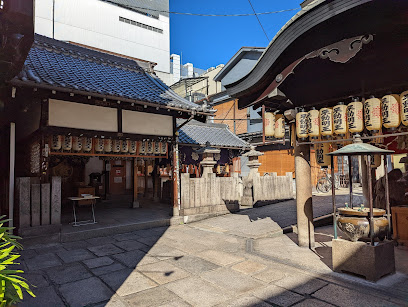
Hozen-ji Temple
542-0076
Intimate Buddhist temple along a quaint alley, with a moss-covered statue of the deity Fud...
Warabi Baitun Noor Cultural Center
Central
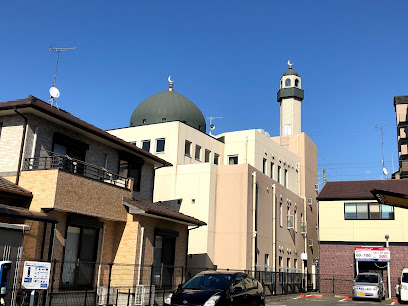
Fukuoka Masjid Al Nour Islamic Culture Center
812-0053
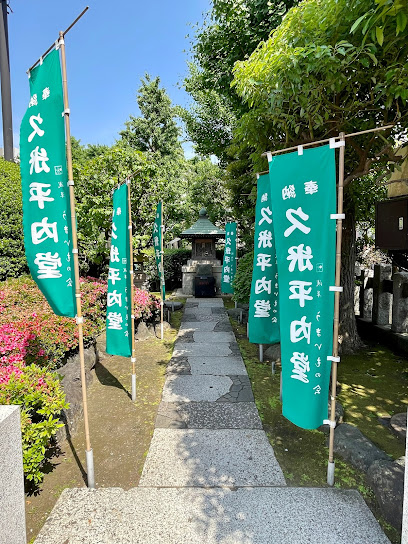
Kume no Heinai-dō
Tokyo 111-0032
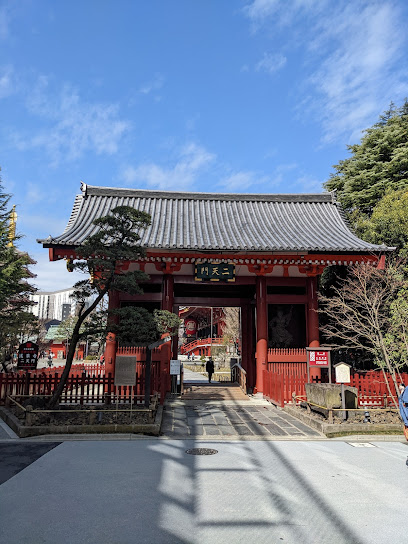
Nitenmon Gate
Tokyo 111-0032
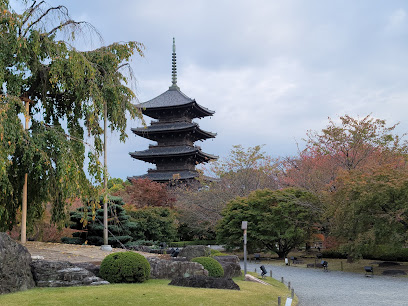
Tōji Temple
601-8473
Historic Buddhist temple with a 5-story wooden pagoda & sculptures of deities from the 8th...