
Name Meaning
Overview
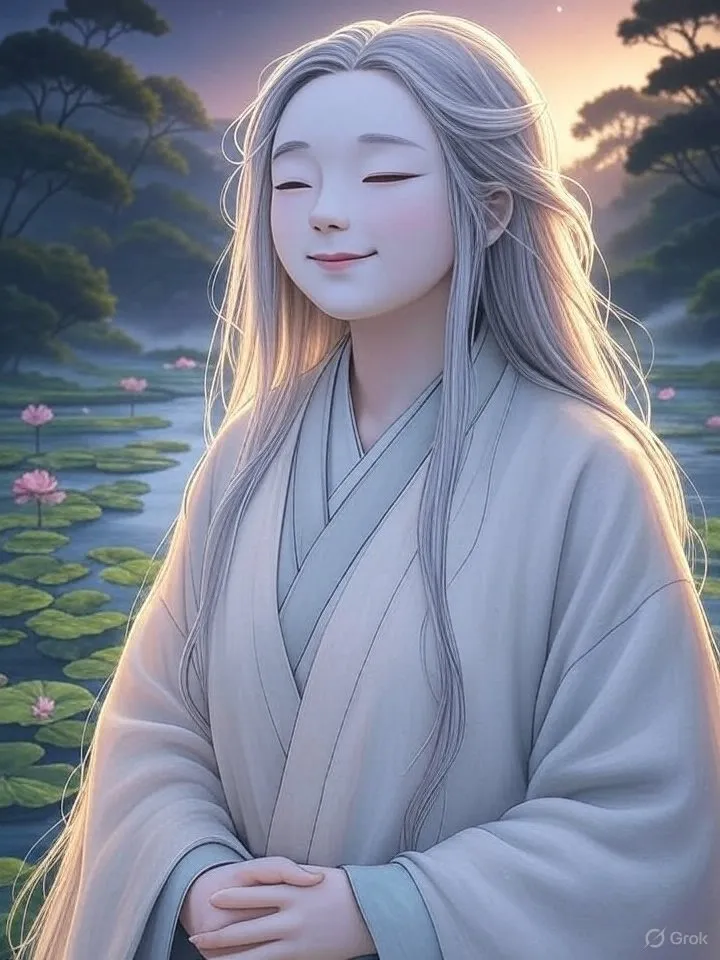
Hotoke (仏) is a term for the departed soul or a person who has died, often used with reverence in Buddhist traditions. It can also refer to a Buddha.
- Ho (仏) = Buddha / deceased person (honorific)
Origin
- Originates from Buddhist doctrine where a soul transitions into peace after death.
- In folklore, it represents the soul's journey to the afterlife.
- Spirits that are not properly honored can return as yūrei (ghosts).
Appearance
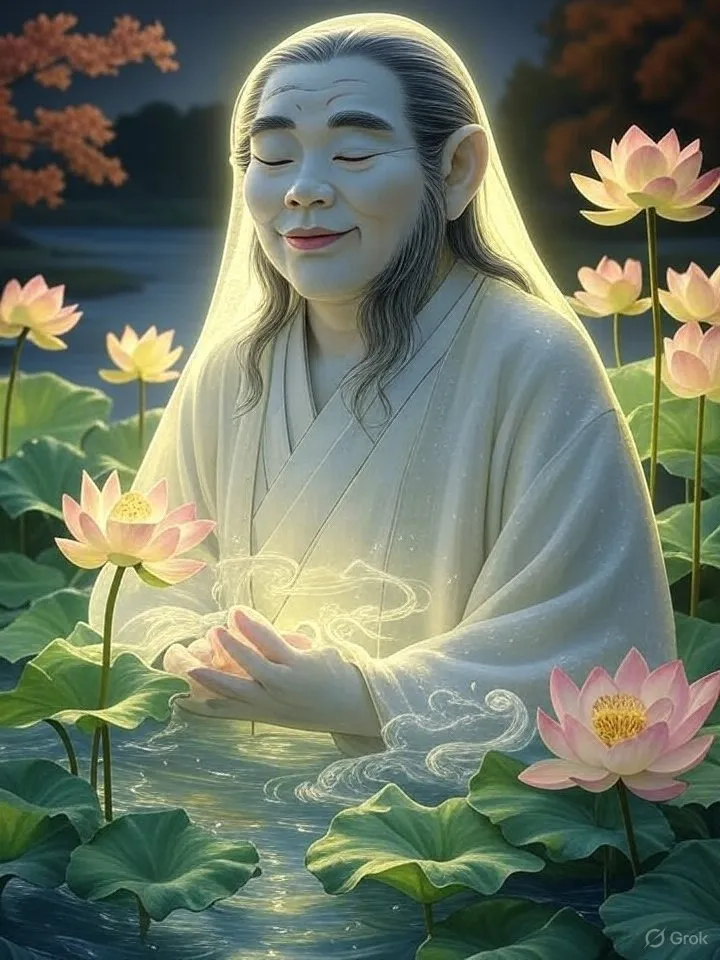
- Often depicted as serene spirits in memorials and art.
- Sometimes visualized as white-clad, calm ghosts.
- Can also be invisible and present through incense or prayer rituals.

Behavior & Myths
- Hotoke are believed to guide and protect descendants if properly worshipped.
- Neglecting a hotoke can result in hauntings or misfortune.
- Honored during festivals like Obon, when spirits return home briefly.
Symbolism
- Represents transition, peace, and connection with ancestors.
- Acts as a reminder of impermanence and spiritual continuity.
- Often tied to family lineage and household wellbeing.
挿絵付き昔話
Hotoke の物語

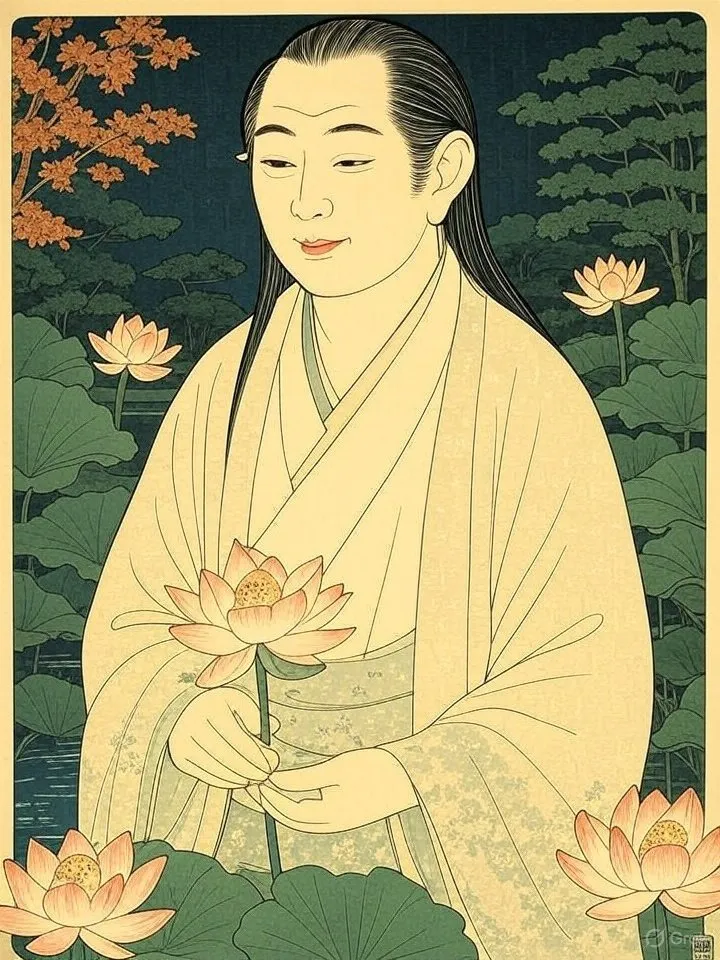
In the village nestled between two great rivers, there lived an elderly woman named Okuni. She was known for her kindness and devotion to her ancestors, who had long since passed on to the afterlife. Every day, she would visit their family shrine, situated at the edge of the forest, and leave offerings of incense, rice, and sake.
As the seasons changed with the wind, Okuni's grandchildren began to wander further afield, forgetting the traditions that had been passed down through generations. They laughed and played in the village square, but never stopped by the shrine. Okuni tried to remind them of their ancestors' importance, but her words fell on deaf ears.
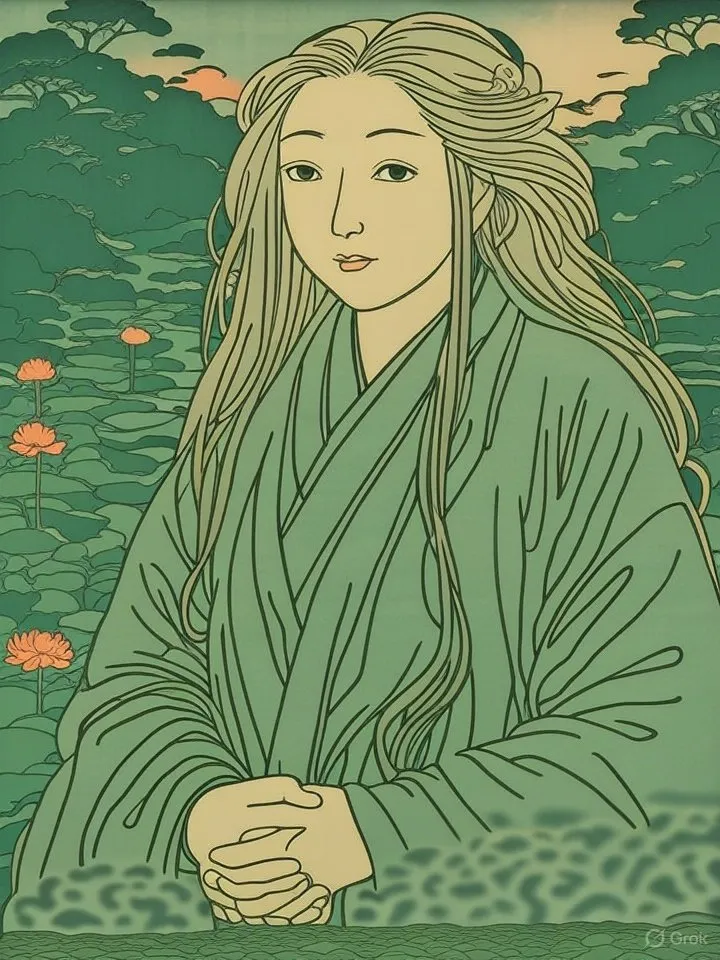
One evening, as autumn leaves rustled outside, a gentle breeze carried an uninvited guest into the village. It was said that Hotoke, the serene spirits of the afterlife, would sometimes return to visit those they had loved and left behind. This particular hotoke was believed to be the guardian of Okuni's family line.
The villagers noticed a change in their surroundings – flowers bloomed earlier than usual, and the scent of sandalwood wafted through the air. It was as if the very presence of the hotoke had brought balance back to nature. However, Okuni knew that this blessing came at a cost. Her grandchildren's neglect had roused a sorrowful energy, one that now threatened their family's harmony.
One night, while her grandchildren slumbered, Okuni sensed the gentle stirring of the hotoke within the shrine. It beckoned her outside, where a faint light illuminated the forest path. With reverent heart, she followed the soft glow to an ancient tree, its branches twisted with age. There, upon its gnarled trunk, was inscribed a message in characters that shimmered like the moon:
"Forgotten, yet remembered, Loyalty demands respect."
Okuni understood the hotoke's words – her family's connection to their ancestors was fraying. She felt a pang of sorrow for her grandchildren's ignorance and neglect. Gathering her strength, she decided to take action.
The next day, Okuni gathered her grandchildren around the shrine. Together, they burned incense and recited prayers to awaken the hotoke's presence within them. As they honored their ancestors, the air filled with a soothing fragrance, and their bond with the spirits was strengthened. The hotoke, pleased by their newfound respect, bestowed upon them a gentle peace that would forever tie their family together.
From then on, Okuni's grandchildren made it a point to visit the shrine daily, leaving offerings and listening to their grandmother's stories about their ancestors' lives and struggles. As they tended to their lineage, they began to sense the presence of the hotoke within themselves – guiding them towards balance, harmony, and respect for the past.
Years passed, and Okuni's family grew strong once more, thanks to the wisdom of their honored ancestors and the gentle guidance of the hotoke. As autumn leaves swirled around the village, carrying memories of the past into the present, Okuni smiled knowingly – her grandchildren had finally understood the value of honoring those who came before them.