

神社・寺院
日本の神社
OSM ディレクトリ
OpenStreetMap から収録した神社を、都道府県・市区町村・宗派で絞り込めます。旅行向けの厳選 listing は下のリンクから。
30,440 件
笠森稲荷神社
笠森稲荷神社
Hyogo
Sakamigahara Inari Shrine, located in Hyogo Prefecture, is one of Japan's most famous Shinto shrines dedicated to the god of rice and fertility, Inari Okami. The shrine is renowned for its thousands of vermilion torii gates, each representing a shrine or temple that has donated the location for new torii gates to be erected. Visitors can explore the grounds, which include various shrines and museums showcasing local artisans' works.
絹巻神社
絹巻神社
Hyogo
Kojima-yamago Shrine, located in the Hyogo prefecture, is dedicated to the deity Kojima-Okami and Kojima-no-kami, a Shinto kami believed to be the ruler of the area's rivers and waterways. The shrine is known for its beautiful cherry blossom trees and historic architecture, dating back to the Edo period.
増田神社
増田神社
Shiga
Nagaoka Shrine, located in the town of Kusatsu in the Omi region of Shiga Prefecture, is a Shinto shrine dedicated to various deities, including Nakatsuma-yoshizumi-no-kami and Kaminari-yoshizumi-no-kami. The shrine's architecture reflects its role as an important center for agriculture and irrigation in the area. Visitors can explore the shrine's historic buildings and gardens, which feature unique wooden structures and beautifully manicured landscaping.
天満神社
天満神社
Kochi
本村神社
本村神社
Nagano
Located in the heart of Nagano, Honmura-jinja Shrine is a Shinto temple dedicated to the worship of the sun goddess Amaterasu and the local deity, Hachiman Tenjin. The shrine's architecture reflects its history as a sacred site for the region's agricultural community, with traditional Japanese-style buildings and gardens. Visitors can explore the shrine grounds, which include a museum showcasing the region's history and culture.
立石神社
立石神社
Tottori
立石神社, located in the town of Shōhoku in Tottori Prefecture, is a small but historic Shinto shrine dedicated to the protection and good fortune of fishermen and sailors. The shrine's name, which translates to 'Standing Stone Shrine,' refers to a large stone pedestal at its entrance, believed to have been placed there by the deity for safe passage.
出雲金刀比羅宮
出雲金刀比羅宮
Tottori
Outu-nagano-ga-toriyamis a Shinto shrine dedicated to the god of swordsmithing and metalwork in the city of Ota, Tottori Prefecture. The shrine is famous for its gold-plated deity, 'Kin-gata-no-kami,' who is said to bring prosperity and good fortune to those seeking success in their crafts.
岩崎神社
岩崎神社
Tottori
Located in the scenic Tottori Prefecture, Ryūzaki Shrine is dedicated to the kami of the sea and fishing. The shrine's design reflects its coastal location, with a distinctive stone lantern and a large torii gate that stands sentinel over the entrance. Visitors can explore the shrine grounds, which feature several ancient cedar trees and a beautiful garden.
士別神社
士別神社
Hokkaido
Located in the heart of rural Hokkaido, 士別神社 is a serene Shinto shrine dedicated to the vengeful spirit of a legendary samurai named Tsukahara Bokuden. The shrine's tranquil atmosphere and stunning natural surroundings make it an ideal destination for those seeking solace and connection with nature.
新山神社
新山神社
Miyagi
New Tsuki Shrine, located in the Oshika Peninsula of Miyagi Prefecture, is dedicated to the Shinto kami associated with the region's natural beauty and bounty. As a minor shrine, it maintains a serene atmosphere amidst its scenic surroundings. The shrine's architecture reflects the traditional style of rural Japanese shrines.
湯殿神社
湯殿神社
Miyagi
Tsukimatsudono Shrine in Miyagi Prefecture is dedicated to the Shinto god of thunder, Raijin. The shrine's architecture reflects traditional Heian period design, with a main hall and smaller outbuildings. Visitors can explore the grounds and learn about the history and mythology surrounding this prominent kami.
神明神社
神明神社
Miyagi
Located in the heart of Miyagi Prefecture, Godaidōjin Shrine is a revered Shinto site dedicated to the kami god Ōno-mikoto and his consort, Ōmikusa-hime. Dating back to the early Heian period (794-1185 CE), this shrine showcases a unique architectural style characteristic of the region's ancient temples and shrines. As one of the oldest surviving examples in Japan, Godaidōjin Shrine holds significant cultural value and is an essential stop for those seeking to deepen their understanding of Shinto traditions.
稲荷神社
稲荷神社
Tokyo
Located in the heart of Tokyo, Sensō-ji Temple is one of the oldest and most famous Buddhist temples in Japan. Built in 645 CE by Prince Shotoku, it is dedicated to the Buddhist goddess Kannon and features a 90-meter-tall wooden tower covered in thousands of colorful paper lanterns, known as 'nakamaidara.' Visitors can explore the temple's impressive architecture, including its five-story pagoda and numerous shrines. The temple grounds also house several traditional tea houses and shops selling souvenirs and local specialties.
鍋足稲荷大明神
鍋足稲荷大明神
Okayama
The Kibi-gaoka Inari Taisha, a Shinto shrine dedicated to the kami Inari Okami, is located in Okayama Prefecture and is one of the most prominent Inari shrines in Japan. The shrine's architecture reflects its historical significance as a major hub for trade and commerce during the Heian period (794-1185 CE). Its iconic vermilion torii gate is adorned with intricate carvings depicting scenes from Japanese mythology, such as the legend of Urashima Taro. The shrine's primary enshrined deity, Inari Okami, is revered for his role as patron of agriculture, fertility, and prosperity. Visitors to the shrine can participate in various rituals and ceremonies, including the sacred rice-offering ceremony, which honors the deity's bounty. In addition to its historical and cultural significance, the Kibi-gaoka Inari Taisha is also known for its beautiful gardens and tranquil atmosphere, making it a popular destination for both locals and tourists.
井深神社
井深神社
Ishikawa
Izushōjin-sha, located in the city of Kanazawa, Ishikawa Prefecture, is a Shinto shrine dedicated to Inari Ōkami, the god of rice, fertility, and industry. The shrine's name, '井深', translates to 'deep well' or 'well of abundance', reflecting its association with water and prosperity. Founded in 1742, the shrine has undergone several renovations over the years, with the current main hall dating back to 1885.
熊野神社
熊野神社
Ishikawa
Kōraku-ji, a Shinto shrine in Ishikawa Prefecture, is dedicated to the worship of Katsuragi no Okami, a mountain spirit associated with Mount Katsuraji. The shrine's architecture and traditions reflect its origins as a rural shrine dating back to the Heian period (794-1185 CE). Visitors can experience the unique charm of this lesser-known Shinto shrine, nestled in the scenic countryside.
多賀神社
多賀神社
Hyogo
多賀神社 is a Shinto shrine located in Hyogo Prefecture, dedicated to the worship of Takehaya Okami, a regional kami. The shrine's architecture reflects traditional Japanese design, with a curved roof and a wooden torii gate. Visitors can explore the shrine's peaceful grounds, which feature beautiful gardens and a tranquil atmosphere.
真幡木神社
真幡木神社
Hyogo
Located in the heart of Hyogo Prefecture, truematsu-gami no miya is a sacred Shinto site dedicated to the enshrinement of the god Ame-no-Ōkami, patron deity of forests and rivers. The shrine's architecture reflects traditional Japanese design, with a simple yet elegant wooden torii gate and a main hall adorned with vibrant vermilion lacquer. Visitors can explore the serene gardens and scenic walkways that lead to the shrine's tranquil inner courtyard.
鴻八幡宮
鴻八幡宮
Kagawa
Located in the heart of Kagawa Prefecture, Hōhoku-hachiman Shrine is a revered Shinto site dedicated to the god Hachiman, known as the patron deity of war and justice. The shrine's architecture reflects traditional Japanese design, with a distinctive hirairimachi style featuring five-story pagodas. Visitors can explore the shrine grounds, which include a tranquil garden and a museum showcasing local history and art. The shrine is also famous for its annual Hachiman Matsuri festival, held in May to commemorate the god's arrival in Japan.
作田島船魂稲荷神社
作田島船魂稲荷神社
Miyagi
Acta Island Shrine, located on a scenic island in Miyagi Prefecture, is dedicated to the Shinto deities Inari and Fusen. The shrine's architecture reflects its unique location, with traditional Japanese buildings and lush gardens blending seamlessly into the natural surroundings. Visitors can explore the shrine's grounds, which include several historic torii gates and a peaceful pond.
龍興山神社
龍興山神社
Aomori
Located in the beautiful Akita Prefecture, not Aomori (it's possible that is a typo), Ryongex Sangsha is an ancient Shinto shrine dedicated to the sea god Ryujin and the wind god Fūjin, as well as other kami including Gashin'etsu Hikoboshi. The shrine is known for its traditional architectural style and beautiful gardens. Visitors can experience the tranquil atmosphere of the shrine and learn about the rich history and culture of the area.
高山神社
高山神社
Aomori
Located in Aomori Prefecture, high mountain (高山) is a common term used to describe the region's rugged landscape. This Shinto shrine, dedicated to no primary kami is enshrined with many deities but its significance lies in its beautiful natural surroundings and traditional architecture.
一の鳥居
一の鳥居
Gunma
One-Tree Tower Shrine, located in the scenic Gunma prefecture, is a serene Shinto sanctuary dedicated to the kami of agriculture and fertility. The shrine's name '一の鳥居' translates to 'one tree tower,' referring to its distinctive structure composed of a single pine tree. This unique design reflects the shrine's focus on natural harmony and connection with the earth. Visitors can explore the tranquil grounds, adorned with vibrant autumn foliage during the fall season.
徳神社
徳神社
Hyogo
Located in Hyogo Prefecture, Toji Shrine is a Shinto temple dedicated to the god of wisdom and prosperity, Ōkuninushi. Built during the Heian period (794-1185 CE), the shrine is renowned for its striking architecture and beautiful gardens. Visitors can explore the main hall, which features intricate wooden carvings, as well as stroll through the serene grounds, taking in the tranquil atmosphere.
厳選 shrine listing
landmark ガイドから選んだ神社・寺院。
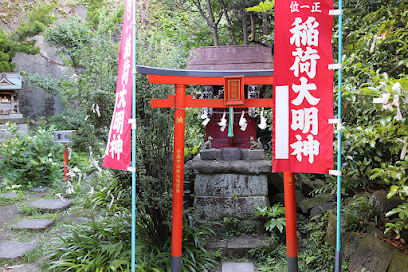
Otsuna Kompira Shrine
Kanagawa 221-0834
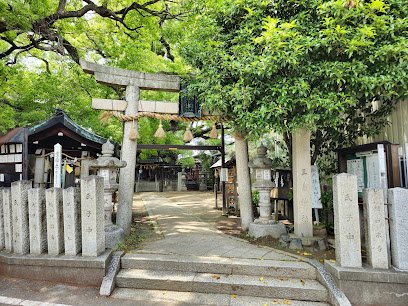
Mitsushima Shrine
Osaka 571-0015
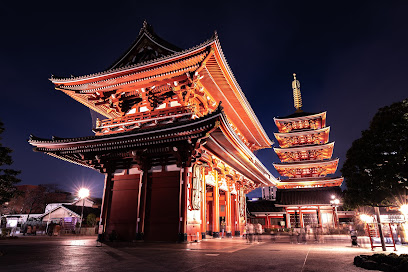
Sensō-ji
Tokyo 111-0032
Completed in 645, this temple, Tokyo's oldest, was built to honor Kannon, the goddess of m...
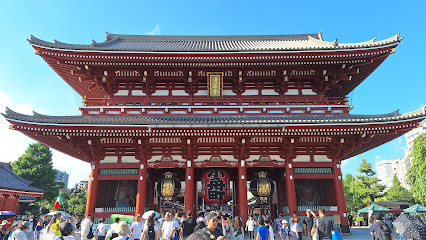
Kaminarimon
Tokyo 111-0032
A 3.9m-tall lantern greets visitors to this stately gate at the entrance to Sensō-ji templ...
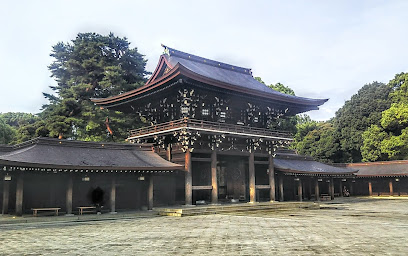
Meiji Jingu
Tokyo 151-8557
Surrounded by forest, this venerable Shinto shrine features a seasonal iris garden.

Kushida Shrine
812-0026
Founded in 757 CE, this urban site annually hosts the city's largest festival, Hakata Gion...