

神社・寺院
日本の神社
OSM ディレクトリ
OpenStreetMap から収録した神社を、都道府県・市区町村・宗派で絞り込めます。旅行向けの厳選 listing は下のリンクから。
30,440 件
幾世稲荷大明神
幾世稲荷大明神
Shiga
Located in the city of Hikone, Shiga Prefecture, Kuyō Inari Taisha is one of Japan's most ancient and revered Shinto shrines, dedicated to the god Inari Okami, patron deity of rice, industry, and fertility. The shrine complex spans over 300 meters and features numerous shrine buildings, including the famous Sanbutsudono shrine hall with three main halls dedicated to Inari, Benzaiten, and Susanoo-no-Mikoto. Visitors can explore the shrine's traditional architecture, take part in festivals such as the Omi Matsuri, and experience the sacred torii gate that stands at the shrine's entrance.
孝照宮
孝照宮
Nara
権太夫大明神
権太夫大明神
Nara
白龍大明神
白龍大明神
Nara
よさこい稲荷神社
よさこい稲荷神社
Kochi
箕島神社
箕島神社
Shiga
Araki Island Shrine, located on the island of Araki in Lake Biwa, is a Shinto shrine dedicated to the kami Ōkuninushi, associated with agriculture and prosperity. The shrine's architecture reflects its historical significance as a key stopover for travelers and merchants on the trade route between Kyoto and Osaka.
都留伎神社
都留伎神社
Nara
八ツ屋神明社
八ツ屋神明社
Gifu
一國一宇 庚申精堂
一國一宇 庚申精堂
Osaka
One-nation one-temple, Ginshen Seidō in Osaka is a Shinto shrine dedicated to the deity of fertility and prosperity, Kinshachō. The shrine's current structure dates back to the 18th century, but its roots can be traced back to the Heian period. Locals attribute the shrine's good fortune to its guardian deity, who protects the town from misfortune and evil spirits. Visitors often pray for a bountiful harvest and peaceful living.
日吉神社
日吉神社
Shiga
The Dayotsu Shrine in Shiga Prefecture is a Shinto shrine dedicated to the god of fishing and water, Tsukuyomi, as well as the god of good fortune and prosperity, Amaterasu. The shrine's architecture reflects traditional Japanese design, with a distinctive thatched roof and vermilion torii gate. Visitors can enjoy stunning views of Lake Biwa from the shrine's grounds.
安閑神社
安閑神社
Shiga
Anraku-jinja, a Shinto shrine located in Katsuyama, Shiga Prefecture, is dedicated to Anraku-Okami, a kami of good fortune and prosperity. The shrine's architecture reflects the Heian period style, with a rectangular main hall and a wooden torii gate. Visitors can experience the shrine's tranquil atmosphere by strolling through its peaceful gardens.
今宮神社
今宮神社
Shiga
Imamichi Shrine, located in the scenic town of Katsura, Shiga Prefecture, is a sacred site that has been revered for centuries. As one of Japan's oldest shrines, it dates back to the Heian period (794-1185 CE). The shrine is famous for its beautiful garden and traditional architecture, which reflect the tranquility and harmony with nature that are core Shinto values. Visitors can experience this serenity by strolling through the gardens, which feature stunning cherry blossoms in spring and autumn foliage.
藪ヶ原稲荷神社
藪ヶ原稲荷神社
Shiga
Located in the scenic town of Nagaizumi, Shirakawa-gun, Shiga Prefecture, Ryoga Gorge Inari Shrine is a serene Shinto temple dedicated to Inari Okami, the patron deity of rice and fertility. The shrine's architecture reflects its historical significance as a stopover for pilgrims traveling along the ancient Nakasendo trade route. The complex features a mix of traditional and modern elements, including the stunning Ryoga Gorge Bridge.
惣社神社
惣社神社
Shiga
Watanabe no Tsuna Shrine is a Shinto shrine located in the town of Kakegawa, Shiga Prefecture, dedicated to Watanabe no Tsuna, a legendary samurai from the Genpei period. The shrine is known for its beautiful gardens and traditional architecture.
ムクノキ大明神
ムクノキ大明神
Kyoto
Mukonoki Taishaso, a Shinto shrine in Kyoto, is dedicated to the god of wisdom and prosperity, Mukonoki no Kami. The shrine's architecture reflects the traditional Japanese style, with a hexagonal main hall and several smaller shrines. According to legend, Mukonoki was the son of the sun goddess Amaterasu and played a significant role in the mythology of the Heian period. Today, visitors can explore the shrine grounds, which include a beautiful garden and a museum showcasing traditional Japanese art and artifacts.
上桂御霊神社
上桂御霊神社
Kyoto
Above the entrance of the shrine lies a large cedar tree, symbolizing longevity and strength. Inside the shrine, visitors can see the main shrine hall with a vermilion torii gate, while a small hall dedicated to Osumi Okami serves as a secondary shrine. In the grounds surrounding the shrine is a large plum tree said to have been planted during the Edo period by Hachiman Okami, a Shinto deity revered for protecting travelers and warriors.
阿那稲荷神社
阿那稲荷神社
Chiba
Located in the scenic town of Kashima, Chiba Prefecture, Aranami Inari Shrine is one of Japan's most famous Shinto shrines dedicated to Inari Okami, the god of rice, industry, and fertility. The shrine complex features a unique blend of traditional and modern architecture, with a stunning vermilion torii gate that stands out against the surrounding natural beauty. Visitors can explore the shrine grounds, which include several smaller shrines and shrines enshrined to local deities such as Kashima Shrine and Aranami Shrine. The shrine's rich history dates back to 744 CE, making it one of Japan's oldest Shinto shrines.
庚申塔
庚申塔
Kanagawa
Located in the city of Yokohama, Ginsha Shrine is a Shinto temple dedicated to Benzaiten, the kami of wealth, prosperity, and beauty. The shrine's main hall, Shinden-zukuri, features an impressive vermilion torii gate and a tranquil garden. Visitors can pray for good fortune, health, and success in their endeavors.
二見神社
二見神社
Osaka
Located in the city of Osaka, the Shinmei Shrine is one of the oldest Shinto shrines in Japan, dating back to the Heian period (794-1185 CE). It is dedicated to the enshrined deity Yatagarasu, a mythical bird said to have guided the sun goddess Amaterasu into her heavenly palace. The shrine's architecture reflects its long history, with wooden structures and tiled roofs characteristic of traditional Japanese design.
五社大神社
五社大神社
Hyogo
The Five Deities Shrine, located in Hyogo Prefecture, is a revered Shinto site dedicated to the worship of five primary kami. The shrine's architecture reflects its historical significance as one of the oldest temples in Japan, with a main hall dating back to the Heian period (794-1185). Visitors can explore the shrine grounds, which feature beautifully manicured gardens and traditional torii gates. The Five Deities Shrine is particularly notable for its connections to the mythology of the Sun Goddess Amaterasu, who is said to have descended upon this land during a celestial visitation.
辰水神社
辰水神社
Shiga
Located in the city of Nagahama, Oi Water Temple is a Shinto shrine that serves as a sacred site dedicated to the worship of the water god, Oi no kami. The temple's history dates back to the Edo period and has maintained its significance over time as an important cultural and spiritual center for the community.
恵比須神社
恵比須神社
Osaka
Ebisu Shrine, located in Osaka's Dotonbori district, is one of Japan's most iconic and vibrant Shinto shrines. Dedicated to Ebisu, the god of luck, prosperity, and good fortune, the shrine has been an integral part of the local community since its founding during the 8th century. Visitors can experience the lively atmosphere by exploring the surrounding Dotonbori area, known for its colorful neon lights and street food.
八幡神社
八幡神社
Osaka
The Eight-Horned Shrine in Osaka, dedicated to the Shinto deity Susanoo-no-Mikoto, is one of Japan's oldest and most revered shrines. Located at the confluence of the Dojima River and the Ikoma River, this shrine has been a center for local worship and festivities since its inception.
平岡神社
平岡神社
Osaka
Located in the heart of Osaka, Planeo Shrine is a serene oasis that honors the Shinto deity of fertility and prosperity, Susanoo-no-Mikoto's consort, Kagayaki, as well as the local kami, Yamatano Orochi. This shrine's architecture blends traditional Japanese design with subtle modern touches, creating an inviting space for visitors to connect with nature and their spiritual selves.
厳選 shrine listing
landmark ガイドから選んだ神社・寺院。
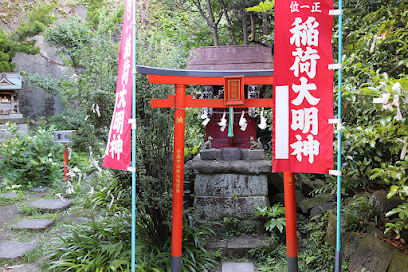
Otsuna Kompira Shrine
Kanagawa 221-0834
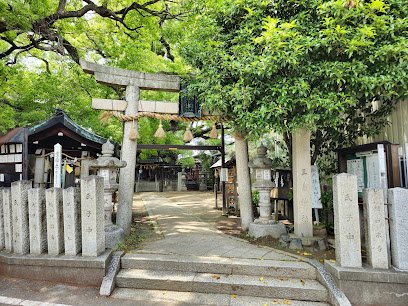
Mitsushima Shrine
Osaka 571-0015
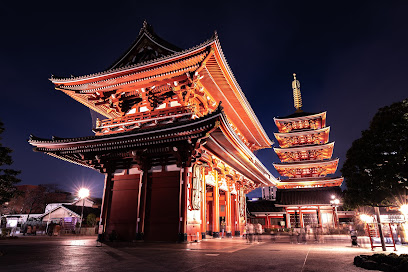
Sensō-ji
Tokyo 111-0032
Completed in 645, this temple, Tokyo's oldest, was built to honor Kannon, the goddess of m...
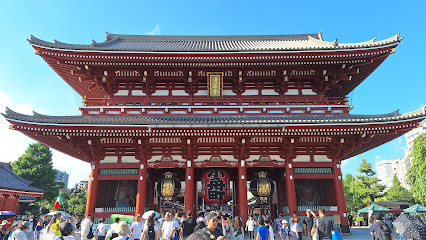
Kaminarimon
Tokyo 111-0032
A 3.9m-tall lantern greets visitors to this stately gate at the entrance to Sensō-ji templ...
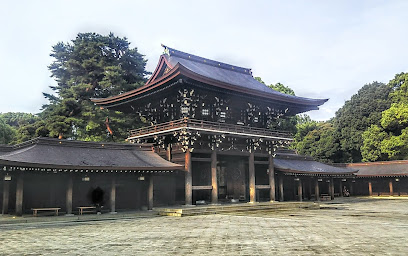
Meiji Jingu
Tokyo 151-8557
Surrounded by forest, this venerable Shinto shrine features a seasonal iris garden.

Kushida Shrine
812-0026
Founded in 757 CE, this urban site annually hosts the city's largest festival, Hakata Gion...