

神社・寺院
日本の神社
OSM ディレクトリ
OpenStreetMap から収録した神社を、都道府県・市区町村・宗派で絞り込めます。旅行向けの厳選 listing は下のリンクから。
30,440 件
清水神社
清水神社
Niigata
Clear Water Shrine, located in the picturesque town of Shinjo, Niigata Prefecture, is a serene Shinto destination that honors the kami of purification and spiritual cleansing. The shrine's history dates back to the Edo period, with its current structure believed to have been built during the Kamakura era. The primary enshrined deity is Tamamushi-no-kami, a kami associated with clear water and spring sources.
天満神社
天満神社
Hyogo
Located in the heart of Hyogo Prefecture, Tenman-gu Shrine is a revered Shinto site that dates back to the 8th century. The shrine is dedicated to Tenjin, the deity of learning, literature, and cultural achievements. Renovated in the 16th century during the Momoyama period, the current structure showcases distinctive Hyogo-style architecture. Visitors can explore the serene gardens and walkways, which are particularly beautiful during cherry blossom season.
池大神社
池大神社
Hyogo
Located in the city of Himeji, Pool Daikannon Shrine is a Shinto temple dedicated to the god of learning and wisdom, Daikannon. The shrine's name refers to the pool that collects water from the sacred spring located within its grounds, said to have healing properties. Founded during the Nara period (710-794 CE), it has been an important center for education and scholarship in Hyogo Prefecture.
五社神社
五社神社
Ibaraki
Located in Ibaraki Prefecture, Five-Deity Shrine is a Shinto shrine dedicated to the kami of agriculture and fertility. The shrine's five main deities are believed to have been enshrined by Emperor Jimmu in the 8th century. The primary deity, Inari Okami, is revered for his role in bringing prosperity to farmers and fishermen. The shrine's architecture is a mix of traditional Shinto and Edo-period styles, reflecting its historical significance during the period.
八重垣稲荷神社
八重垣稲荷神社
Tokyo
Located in the heart of Setagaya, Tokyo, Eightfold Wall Inari Shrine is a Shinto sanctuary dedicated to the worship of Inari Okami, the patron deity of rice, agriculture, and industry. The shrine's architecture reflects its Heian-period origins, with a characteristic rectangular altar (haiden) surrounded by five-story pagodas. Visitors can explore the shrine grounds, which feature several shrines and gardens, including a tranquil pond with walking paths.
鉄道神社
鉄道神社
Ibaraki
Located in the heart of Hitachi, a city in Ibaraki Prefecture, the Iron Road Shrine is a lesser-known Shinto shrine dedicated to the deity Inari, the patron kami of commerce, industry, and fertility. This shrine's unique name reflects its historical connection to the iron road that once passed through the area, which played a significant role in the region's economic development during the Edo period.
水神宮
水神宮
茨城県 · 常総市
Located in the heart of常総市, 水神宮 is a historic Shinto shrine dedicated to the water god, Namazū. Built in 1673, during the Edo period, this shrine is notable for its traditional architectural style and serene natural surroundings. Visitors can walk through the tranquil gardens, exploring the intricately carved wooden torii gate and admire the beautiful autumn foliage.
入江白山神社
入江白山神社
Ishikawa
入江白山神社 is a Shinto shrine located in the town of Kosaka, Ishikawa Prefecture, dedicated to the kami Enmei. The shrine is situated at the foot of Mount Katsuragi, offering stunning views of the surrounding landscape. Built in the Heian period (794-1185 CE), the shrine's architecture reflects traditional Japanese design principles, with a unique curved roof and ornate wooden decorations.
十二社神社
十二社神社
Niigata
Located in the city of Agematsu, in the Japanese prefecture of Niigata, the Jūni-sha-jinsha (Twelve Deities Shrine) is a Shinto temple dedicated to the worship of twelve kami. The shrine's architecture and layout are influenced by traditional Japanese design, with a main hall (honden) surrounded by smaller shrines and halls. While specific historical details about the shrine's founding are unknown, it is believed to have been established during the Edo period, possibly in the 17th or 18th century.
鹿島神社
鹿島神社
Ibaraki
Located in the town of Minami Nirasaka,鹿島神社 is a Shinto shrine dedicated to the god of the island of Kashiima, which is said to have been an island off the coast of Ibaraki Prefecture. The shrine's architecture reflects its historical significance as a hub for maritime trade and commerce in ancient times. Today, visitors can experience the tranquility of this rural shrine while learning about its rich cultural heritage.
堰神社
堰神社
Aomori
Baijinsha, located in Aomori Prefecture, is a Shinto shrine dedicated to Baijin, the god of rivers and streams. The shrine's design reflects its connection to water, with a unique curved roofline and a large stone bridge. While some information on the specific history of the shrine is scarce, it is known that Baijinsha was built during the Edo period to honor the spirit of the nearby Aomori River. Visitors can explore the shrine grounds, which feature several small shrines and a beautiful garden with a tranquil pond.
前島神社
前島神社
Shizuoka
Located in the town of Iwata, Shizuoka Prefecture, the front island Shrine is a small but historic Shinto shrine dedicated to the gods of agriculture and fertility. The shrine's name refers to its location on the front island of Lake Hamamachi, which was an important site for ancient farmers. The shrine's architecture reflects the Heian period style, with a wooden main hall and tiled roof, while its grounds feature traditional Japanese gardens and walking paths. Visitors can experience the tranquil atmosphere of the shrine and learn about its history and mythology.
出雲大社 大阪分院
出雲大社 大阪分院
Osaka
Outumae-sa in Osaka's Osaka-shi ward is one of the oldest Shinto shrines dedicated to Inari Okami, with its origins dating back to the Heian period (794-1185). The current main hall was rebuilt during the Kamakura period (1185-1333), while the shrine's Osaka branch, Osaka-bu-in, was established in the Edo period (1603-1868). The shrine complex features a unique architectural style blending elements of ancient and modern designs. Inari Okami is revered as the patron deity of rice, industry, and fertility. Visitors can explore the shrine's many halls and grounds, including the sacred forest where sacred trees have been cultivated for centuries. A must-visit during the autumn season is the annual Autumn Leaf Festival (Koyo Matsuri), which honors Inari Okami with vibrant autumn foliage displays. In the spring, locals bring offerings to the shrine's 'Furin' bell tower and pray for good luck in the coming year. At night, the shrine's tranquil atmosphere is illuminated by lanterns and twinkling lights, creating a serene ambiance. For visitors seeking an authentic experience, we recommend bringing a small bundle of sweet rice (chankonabe) as an offering to Inari Okami, symbolizing gratitude for prosperity.
堀子田稲荷神社
堀子田稲荷神社
Iwate
Hori-sono-izumi-ha Jinsha is a Shinto shrine located in Hiraizumi, Iwate Prefecture, known for its well-preserved Heian-period (794-1185) architecture and historic significance as the burial site of Emperor Sukuh. The shrine enshrines the deity Ōnogami, also referred to as the 'God of the Rice Field,' along with other local kami such as Izumi-Okami.
宇賀神社
宇賀神社
Kyoto
Ugahashi Shrine, located in the Katsura district of Kyoto, is dedicated to the deity Uzume, who was known for her skill with the drums and her role as a messenger between the gods. The shrine is famous for its beautiful gardens and its annual autumn festival, which features traditional performances, food stalls, and lantern displays. Visitors can also explore the shrine's traditional architecture, including its wooden torii gate.
大歳神社
大歳神社
Kyoto
Located in the heart of Kyoto, Daiso-sha is a Shinto shrine dedicated to the god of longevity and good health, Hikohōmyōjin. The shrine's name, Daiso, roughly translates to 'Great Longevity,' reflecting its focus on promoting well-being and prosperity. Its tranquil grounds are surrounded by beautiful gardens, adding to the serene atmosphere that awaits visitors.
道祖神
道祖神
Kanagawa
The Daigoshin Shrine, located in Kanagawa Prefecture, is a Shinto shrine dedicated to the god of fertility and prosperity, known as Daigoshin. This shrine is believed to have been established during the Heian period (794-1185 CE) and has a rich history dating back to the 12th century. The shrine's architecture reflects its traditional Japanese design, with a main hall covered in tiles and several smaller shrines dedicated to various deities.
椎尾八幡宮
椎尾八幡宮
Hiroshima
出雲大社 北条分院
出雲大社 北条分院
Hyogo
出雲大社北条分院 is a Shinto shrine dedicated to the deity Sugawara no Michizane, a kami believed to bring good fortune and prosperity. Located in the Hyogo Prefecture, the shrine dates back to the Heian period (794-1185 CE) and has undergone various restorations throughout its history. The shrine's architecture reflects the traditional Japanese style of Yatate jinja, with a rectangular vermilion torii gate and a haiden dedicated to Sugawara no Michizane.
熊野神社
熊野神社
Kyoto
Kumano Shrine, located in Kyoto, is a Shinto shrine dedicated to the Kumano region's deities. The shrine's architecture reflects the region's unique cultural heritage, with a mix of traditional and modern elements. Visitors can explore the shrine's grounds, which feature several wooden buildings, including the main hall and the Kuma no Tsurugi, a sacred sword said to have been wielded by the god Susanoo.
大歳神社
大歳神社
Kyoto
Located in Kyoto, the Daio Shrine is a Shinto shrine dedicated to the god of longevity and prosperity, known as Ōya-sama. The shrine's architecture reflects its origins in the Heian period (794-1185 CE), with a wooden torii gate and a five-story pagoda. Visitors can explore the shrine's beautifully landscaped gardens and grounds, which are said to be blessed by the kami for good fortune.
磐代神社
磐代神社
Kyoto
Located in the Arashiyama bamboo forest of Kyoto, Iseya Shrine is a Shinto temple dedicated to the Shitennō-ji style. The shrine's primary deity is the god Inari Okami, known as Sakaino'okami in Japanese mythology. Iseya Shrine is famous for its beautiful architecture and serene surroundings, making it a popular destination for hikers and nature lovers visiting the area.
大歳神社
大歳神社
Kyoto
Tosa no Otohime Shrine is a Shinto shrine located in Kyoto, dedicated to the goddess of the sea and fertility, Tosa no Otohime. The shrine's architecture reflects traditional Japanese design, with a main hall and several smaller shrines. The shrine is known for its beautiful gardens and peaceful atmosphere.
竈神社
竈神社
Toyama
Gokayama-ku Shrine, located in Toyama Prefecture, is dedicated to the Shinto god of agriculture and fertility, Kamado-no-Okami. The shrine is situated in a scenic area amidst rice fields and is famous for its wooden shrine buildings that date back to the Heian period (794-1185 CE).
厳選 shrine listing
landmark ガイドから選んだ神社・寺院。
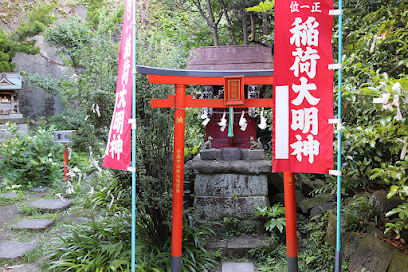
Otsuna Kompira Shrine
Kanagawa 221-0834
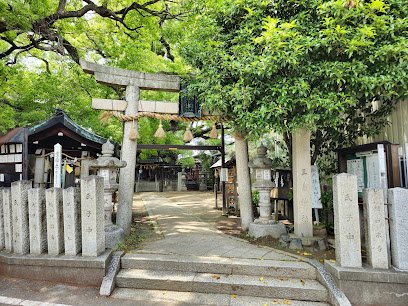
Mitsushima Shrine
Osaka 571-0015
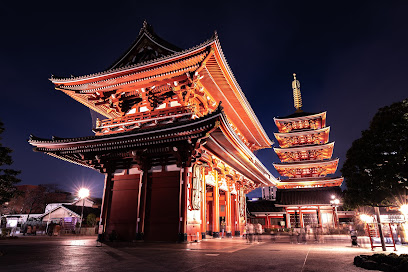
Sensō-ji
Tokyo 111-0032
Completed in 645, this temple, Tokyo's oldest, was built to honor Kannon, the goddess of m...
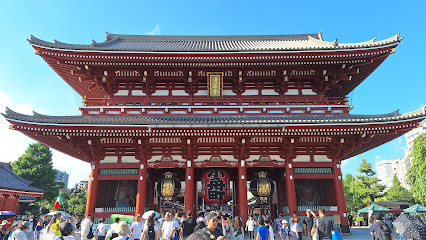
Kaminarimon
Tokyo 111-0032
A 3.9m-tall lantern greets visitors to this stately gate at the entrance to Sensō-ji templ...
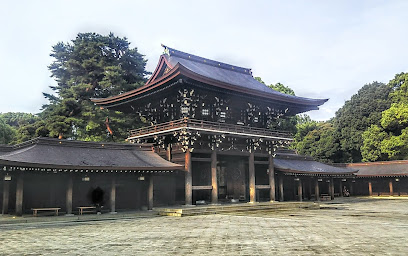
Meiji Jingu
Tokyo 151-8557
Surrounded by forest, this venerable Shinto shrine features a seasonal iris garden.

Kushida Shrine
812-0026
Founded in 757 CE, this urban site annually hosts the city's largest festival, Hakata Gion...