

神社・寺院
日本の神社
OSM ディレクトリ
OpenStreetMap から収録した神社を、都道府県・市区町村・宗派で絞り込めます。旅行向けの厳選 listing は下のリンクから。
30,440 件
髙宮
髙宮
Fukuoka
Hakushi Shrine is a Shinto temple dedicated to the god of agriculture and fertility, Hakushin no Kami. The shrine's architecture reflects traditional Fukuoka Prefecture styles, with a tiled roof and wooden gate. In the surrounding area, visitors can explore ancient temples and shrines, showcasing the rich cultural heritage of Fukuoka.
宗像大社高宮祭場
宗像大社高宮祭場
Fukuoka
Located in the heart of Dazaifu, a city known for its rich history and cultural significance, Sengu Taikōmisā is an ancient Shinto shrine dedicated to the worship of the heavenly kami (deities). The shrine's name, which translates to 'Sacred Place of Divine Majesty,' reflects its importance as a sacred site. Built in 711 CE during the Nara period, this shrine is one of Japan's oldest and most revered, with a long history of serving as a center for spiritual guidance and community events.
宗像大社 第二宮
宗像大社 第二宮
Fukuoka
Located in the city of Fukuoka, the Shinto shrine of Zōgū Daija Second Myōjin is a sacred site that honors the second son of Emperor Jimmu, who is believed to be the first emperor of Japan. The shrine's name translates to 'great god at the peak' and reflects its significance as a powerful symbol of the imperial family. Visitors can explore the shrine's elegant architecture, including the majestic torii gate and the beautiful vermilion-hued wooden buildings.
宗像大社 第三宮
宗像大社 第三宮
Fukuoka
The Tooi Daisha Shrine, also known as the Third Imperial Throne, is a Shinto shrine located in Dazaifu, Fukuoka Prefecture. Dedicated to the sun goddess Amaterasu Omikami, it is one of Japan's most important shrines and was once the primary shrine for the imperial family. The shrine complex features a large hall dedicated to the deity and numerous smaller shrines throughout its grounds.
八幡宮
八幡宮
Fukuoka
Located in Fukuoka, Japan, Eight-Horsemen Shrine (Hachimangu) is a revered Shinto site dedicated to the deity Hachiman, believed to be the god of war and patron of scholars. The shrine's architecture reflects traditional Japanese design, with a central hall surrounded by vermilion-painted gateposts and a tranquil garden. Visitors can explore the shrine grounds, which include several museums showcasing Fukuoka's history and cultural heritage.
伊麻神社
伊麻神社
Fukuoka
Ishima Shrine, located in the Kagoshima prefecture's neighboring Fukuoka, is a sacred site revered by locals and tourists alike. Dedicated to the Shinto kami of fishing and prosperity, the shrine attracts visitors seeking good fortune and a bountiful catch. Built in 1901 as a re-creation of the original structure that dated back to the Edo period, Ishima Shrine showcases traditional Japanese architecture with its tiled roof and vermilion columns.
宗像神社
宗像神社
Fukuoka
Located in the heart of Dazaifu, Fukuoka Prefecture, Sōgō-jinsha is a historic Shinto shrine dedicated to the deity Sōgō-tsuukai and the legendary hero Ō no Yasumaro. The shrine's architecture reflects its Heian period (794-1185 CE) origins, with a prominent torii gate and traditional Japanese roof tiles.
伊豆神社
伊豆神社
Miyagi
Izu-no-Tani Shrine, located in the Izu Peninsula of Shizuoka Prefecture, is not the one being written about. The correct information is for Izu Kaimonji Shrine in Izu City, Shizuoka Prefecture. This shrine is dedicated to the kami of the sea and the patron deity of fishermen. The shrine's architecture reflects its coastal location, with a long wooden torii gate and traditional Japanese garden. Shinto worshippers visit this shrine to pray for good fishing conditions, safe navigation, and protection from natural disasters.
花園神社
花園神社
Hokkaido
Flora Garden Shrine, located in Sapporo's Susukino district, is a Shinto shrine dedicated to the kami of nature and fertility. Founded during the Edo period (1603-1867), it is one of the oldest shrines in Hokkaido, serving as a symbol of the region's rich cultural heritage. The shrine's architecture reflects traditional Japanese styles with a modern twist, featuring a large torii gate and a beautiful garden filled with cherry blossoms.
稲荷社
稲荷社
Aomori
Indra Shrine, located in Aomori Prefecture, is dedicated to Amaterasu Omikami, the Shinto sun goddess and most revered deity of Japan's imperial family. Built on a scenic coast, the shrine offers breathtaking views of the surrounding mountains and sea. The site was originally settled by fishermen and farmers who worshipped local spirits and deities associated with fertility and abundance.
大作神社
大作神社
Aomori
Located in Aomori Prefecture, Daisetsugan-sha Shrine is dedicated to the Shinto deity, Tamayamato no Sakanoe-no-kami, and his enshrined god, Iwakuro-hiko-gami. The shrine's architecture reflects a mix of traditional styles from the Heian period, with modifications made in the Edo period. Its tranquil surroundings offer an escape for visitors seeking relaxation.
八雲神社
八雲神社
Shizuoka
Located in the scenic town of Kawanehon, Shizuoka Prefecture, the Eight Clouds Shrine is a serene and peaceful destination nestled amidst lush greenery. Dedicated to the kami of the mountains, forests, and clouds, this shrine honors the divine energies that shape the natural world. The shrine's architecture reflects its rustic charm, with wooden structures and stone walls blending seamlessly into the surroundings.
薬師神社
薬師神社
Miyagi
Salamander Shrine, located in Sendai City, Miyagi Prefecture, is dedicated to the Shinto god of healing and medicine. The shrine's architecture reflects traditional Japanese design, with a main hall and several smaller shrines. According to local legend, the shrine was established by Saint Narcissus, who is said to have appeared on the site in search of a cure for his blindness. In return for his blessings, Narcissus requested that the shrine be built in honor of the salamander god, who would serve as the guardian of healing arts. Today, visitors can experience the tranquil atmosphere of the shrine's gardens and admire the intricate carvings on the main hall's roof. The shrine is also famous for its unique festival, the 'Salamander Festival,' which takes place in July and features traditional dances, music, and food stalls.
新田八幡社
新田八幡社
Gifu
和霊神社
和霊神社
Miyagi
Anda Shrine is a Shinto shrine dedicated to the deity Setsunomikage, known as the spirit of the rice fields. The shrine is located in the Andagawa neighborhood of Sendai, Miyagi Prefecture, and is famous for its unique architecture and beautiful gardens. Visitors can admire the beautiful cherry blossom trees, stroll through the peaceful grounds, and learn about the rich history and mythology of the area.
白水稲荷神社
白水稲荷神社
Miyagi
Located in the coastal town of Shizugatake, Miyagi Prefecture, White Water Rice Shrine is a small but picturesque Shinto shrine dedicated to the kami of rice and water. The shrine's beautiful gardens, complete with white-petaled peonies and cherry blossoms, are said to be inspired by the beauty of Mount Zao's famous 'snow wall'. Visitors can walk through the serene gardens, paying respects at the shrine's main hall, and take in the stunning views of the surrounding mountains.
智者山神社
智者山神社
Shizuoka
Located in the city of Okazaki, Shizuoka Prefecture,智者山神社 is a Shinto shrine dedicated to the deity of wisdom and knowledge. The shrine's architecture reflects its historical ties to the Takeda clan, with its traditional Japanese-style main hall and vermillion torii gate. Visitors can explore the shrine's tranquil grounds, which feature a small pond and walking paths.
諏訪神社
諏訪神社
Shizuoka
Temple of the God of the River Oda, located in the town of Yui in Shizuoka Prefecture, is a historic Shinto shrine dedicated to the kami of the river and its surrounding lands. The shrine's architecture reflects the local architectural style of the region, with a simple yet elegant design featuring a large torii gate and a wooden main hall. Visitors can experience the serene atmosphere of the shrine while strolling through its beautifully manicured gardens.
八幡神社
八幡神社
Shizuoka
Located in the city of Hamamatsu, Shizuoka Prefecture, Eight-Horned Shrine is a prominent Shinto shrine dedicated to the god Susanoo-no-Mikoto. The shrine's name reflects its association with the legendary god who created rice and was revered for his protection of crops and fertility. The shrine's architecture reflects its history as a sacred place during the Heian period (794-1185 CE), featuring a unique design blending traditional and modern elements.
熊野神社
熊野神社
Shizuoka
Kyo-Kaisha Shrine, located in the heart of the Japanese Alps, is dedicated to the enshrined kami of Koya-san, a mountain sacred to the indigenous Ryukyu people and believed to possess spiritual power. The shrine's architecture reflects its history as a center for Shugendo meditation, with intricately carved wooden structures and serene gardens. Visitors can experience the tranquil atmosphere by walking through the forests surrounding the shrine, where ancient trees are said to hold the wisdom of the mountains.
春日神社
春日神社
Shizuoka
Spring Day Shrine is a Shinto shrine located in Shizuoka Prefecture, dedicated to the kami of spring and new beginnings. Founded during the Heian period (794-1185), it has played an important role in local agriculture and water management. The shrine's main hall features a striking example of traditional Japanese architecture, with a distinctive curved roofline known as a 'tsukubai' for purifying the hands before approaching the shrine.
浅間神社
浅間神社
Shizuoka
Nestled in the scenic town of Ichioka, Fujikawa Village in Shizuoka Prefecture, Asamatsu Shrine is a sacred site dedicated to the worship of the kami Ryūjin, the Shinto god of water and storms. Established during the Heian period (794-1185 CE), the shrine has played a significant role in the region's cultural and spiritual heritage.
神明宮
神明宮
Shizuoka
Godai-jin-gu, located in the city of Okazaki, Shizuoka Prefecture, is a revered Shinto shrine dedicated to the kami Godai Jin. As one of Japan's oldest shrines, it has played a significant role in local history and culture for centuries. The shrine's architecture reflects its historical significance, with a mix of traditional and modern elements. Visitors can experience the tranquility of the shrine's gardens and the beauty of its wooden torii gate.
六社神社
六社神社
Shizuoka
Located in Shizuoka Prefecture, the Six Society Shrine is a lesser-known Shinto shrine dedicated to the worship of the six powerful kami of Japanese mythology. The shrine's architecture and grounds are designed to reflect its spiritual connection with nature. Visitors can explore the tranquil gardens and temples surrounding the main sanctuary.
厳選 shrine listing
landmark ガイドから選んだ神社・寺院。
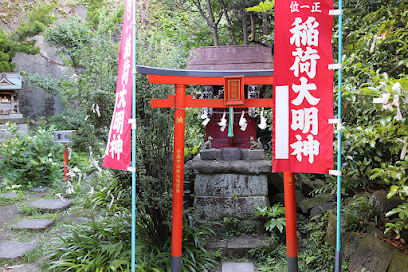
Otsuna Kompira Shrine
Kanagawa 221-0834
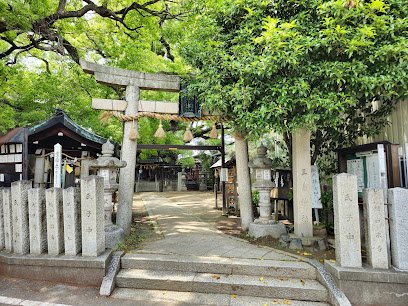
Mitsushima Shrine
Osaka 571-0015
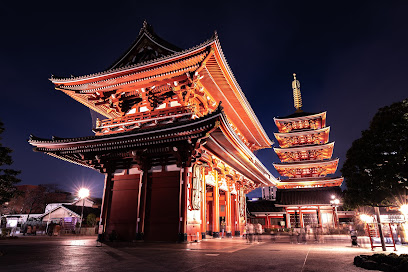
Sensō-ji
Tokyo 111-0032
Completed in 645, this temple, Tokyo's oldest, was built to honor Kannon, the goddess of m...
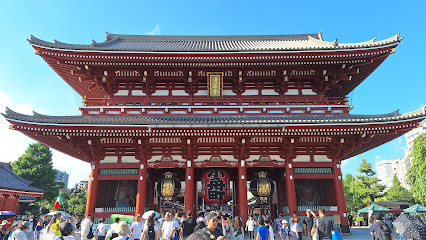
Kaminarimon
Tokyo 111-0032
A 3.9m-tall lantern greets visitors to this stately gate at the entrance to Sensō-ji templ...
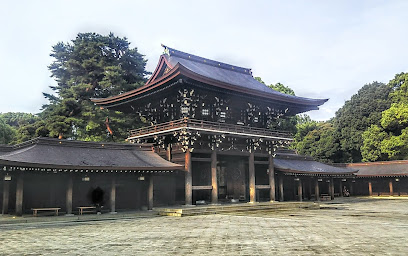
Meiji Jingu
Tokyo 151-8557
Surrounded by forest, this venerable Shinto shrine features a seasonal iris garden.

Kushida Shrine
812-0026
Founded in 757 CE, this urban site annually hosts the city's largest festival, Hakata Gion...